Timeless Architecture and Design: A Conversation with Carlos Otávio
Photography Gui Morelli
Design em Lisboa: What first drew you to architecture?
Carlos Otávio: Art has been part of who I am since childhood. I began my professional life as an artist at the age of eighteen. When the time came to choose a university and decide on a career, architecture felt like the most natural path: it was where art and technical knowledge came together seamlessly. Art never disappeared; it simply found a new expression through architecture, which has remained my lifelong passion.
DL: Was there a particular moment or influence that shaped the way you think about space today?
CO: It began during my years at the University of Architecture, where my interests gradually took shape. I developed a deep appreciation for the work of Frank Lloyd Wright and for those architectural movements that understand architecture and nature as complementary forces. I also believe art must always be present—it is what gives each project its own perspective and allows every space to become truly unique.
DL: When you begin a new project, where do you start?
CO: Always with research. Before anything else, it’s essential to understand the client’s objectives, the context in which the project will exist, and the inspirations that each situation naturally calls for. Whether residential or commercial, every project should emerge as something deeply personal and entirely unique.
DL: How do you get to know the people who will live in space?
CO: It always begins with a conversation. An informal but attentive dialogue reveals not only what clients are hoping to achieve, but also what they value most and the dreams they are entrusting us with. Designing a home is ultimately about building something meaningful together.
DL: What makes a house memorable?
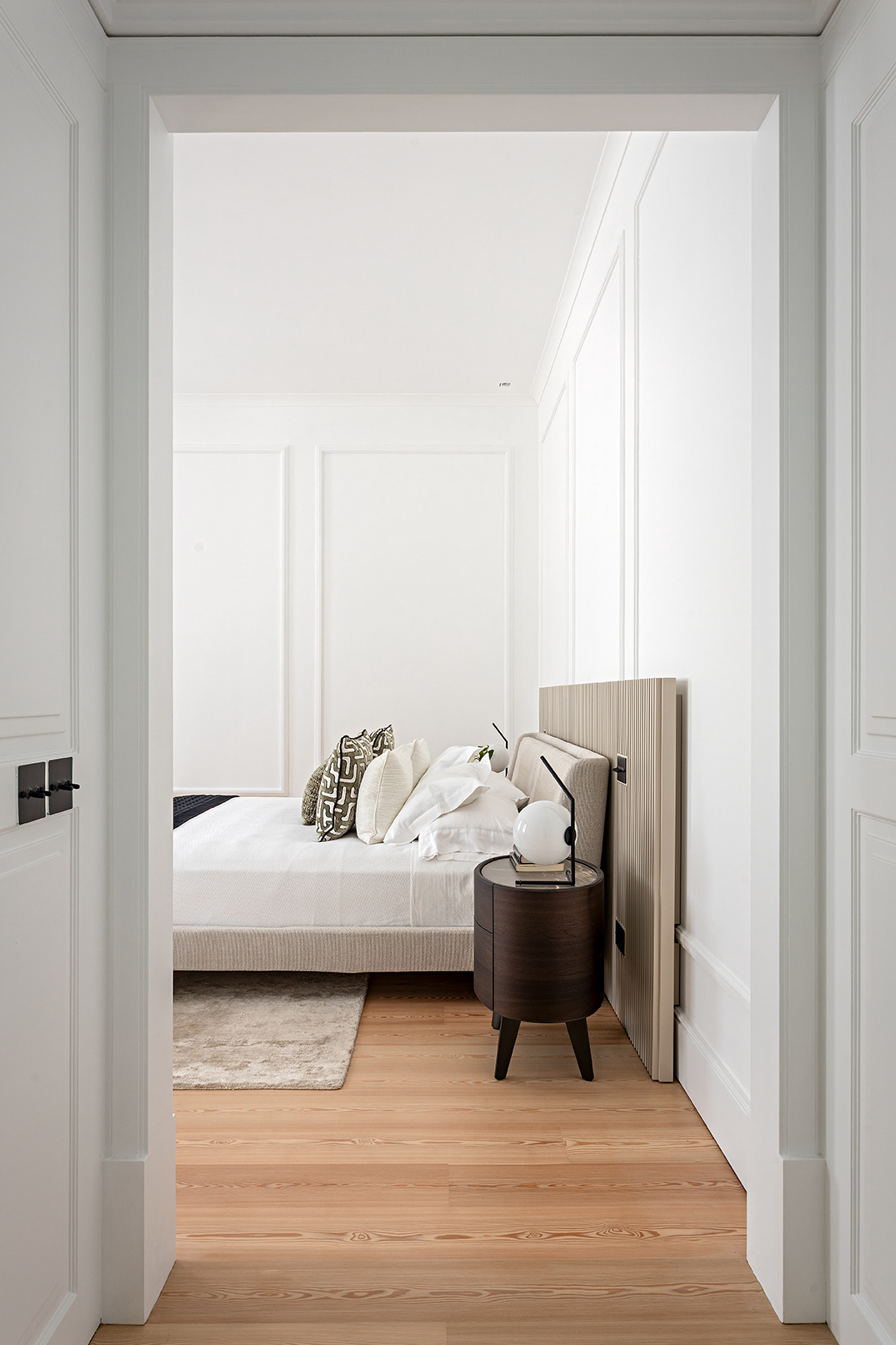
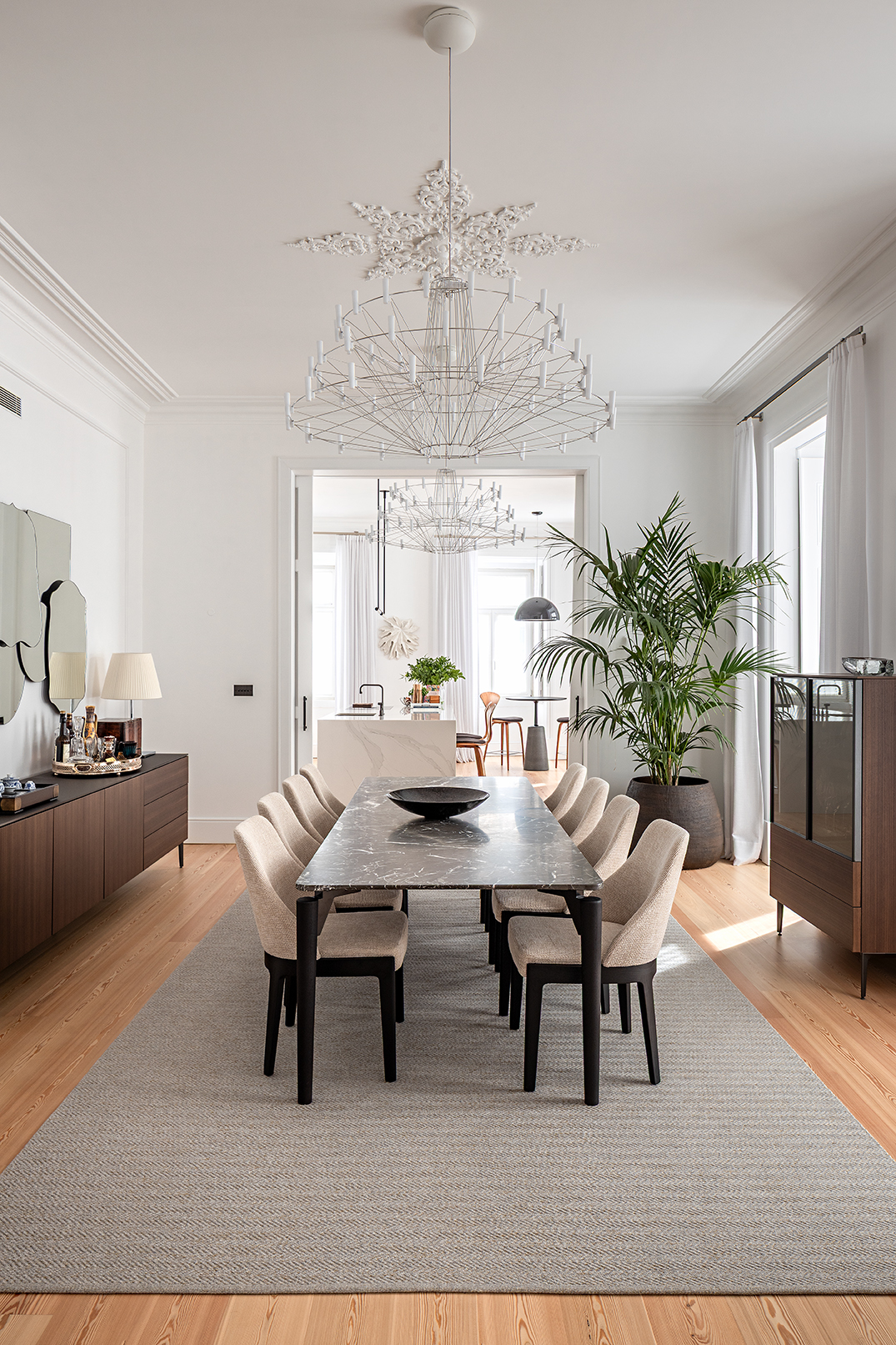
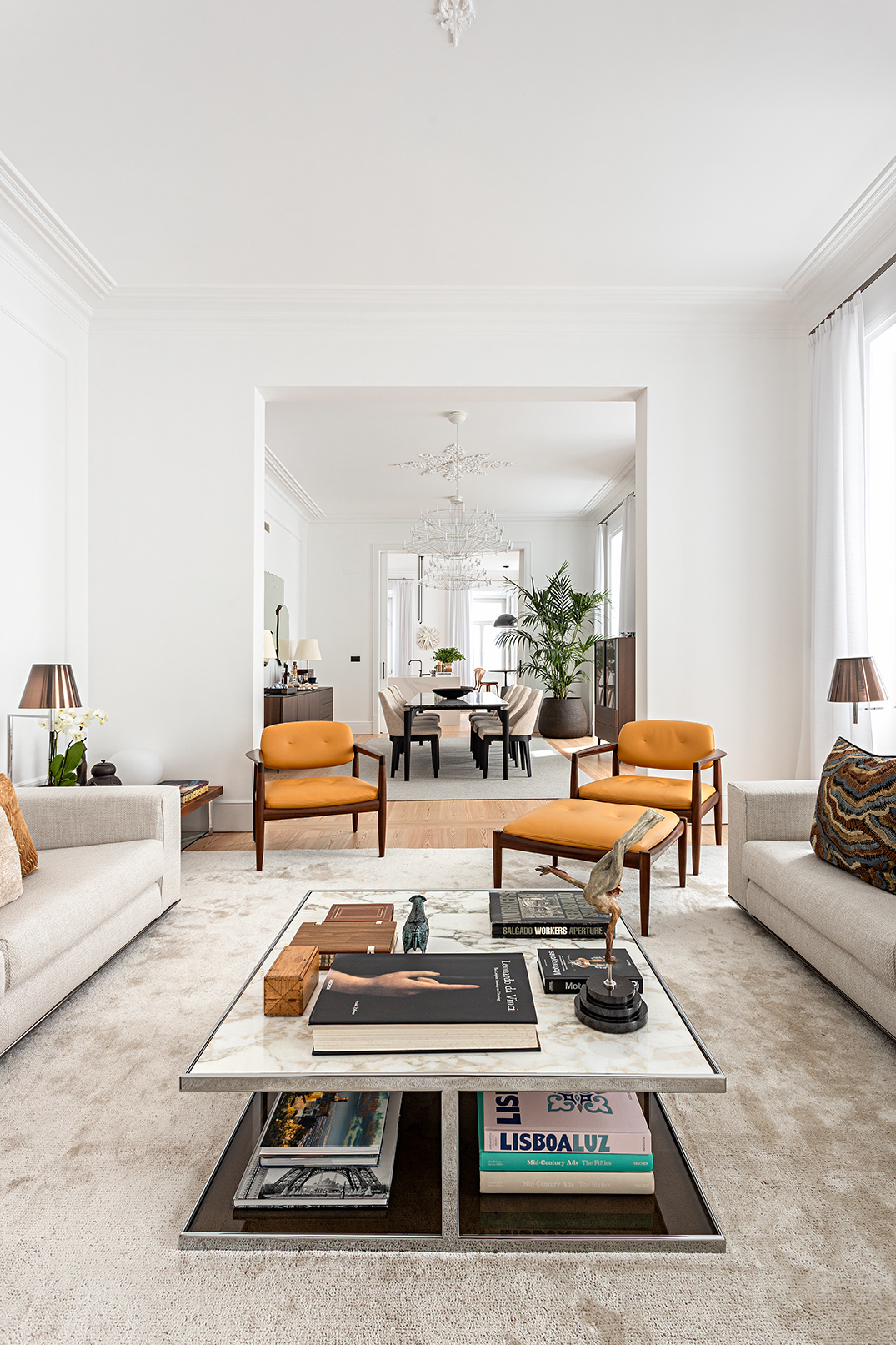
CO: Identity. Something that only personal memories can shape over time. Architecture is about permanence and solidity. Above all, a home is a refuge from the outside world. It should offer warmth and embody whatever comfort and beauty mean to the people who live there.
DL: At what point do you know a project is heading in the right direction?
CO: It starts with the floor plan. Before anything else, it determines how spaces can be organized in the most balanced and thoughtful way. From there, the moodboard evolves alongside the client throughout the process, creating a relationship built on trust—and that’s what ultimately leads to the best possible outcome.
DL: Is there a quality you strive for in every project, regardless of its scale or budget?
CO: Yes, timelessness. Harmony between every element is fundamental, as is the sense of proportion that brings the entire project together.
DL: How do you think about the relationship between architecture and time? When designing a project, do you consider how it will be experienced twenty or thirty years from now?
CO: As I mentioned before, architecture is permanence. It creates history; it becomes part of a place’s heritage. Work carried out with responsibility and talent retains its value over time. We should build using the technologies and materials of today, but always with a timeless vision.
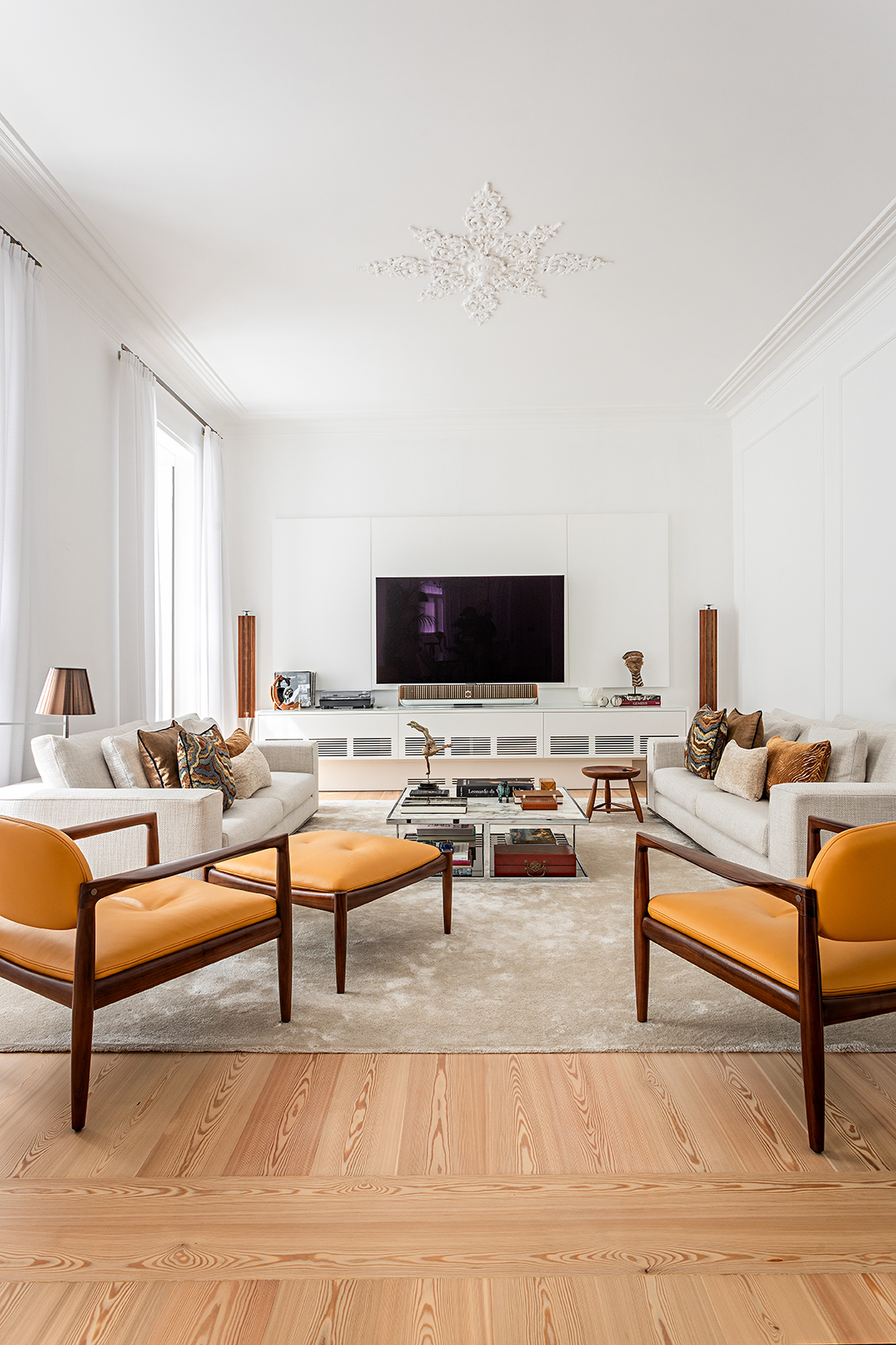
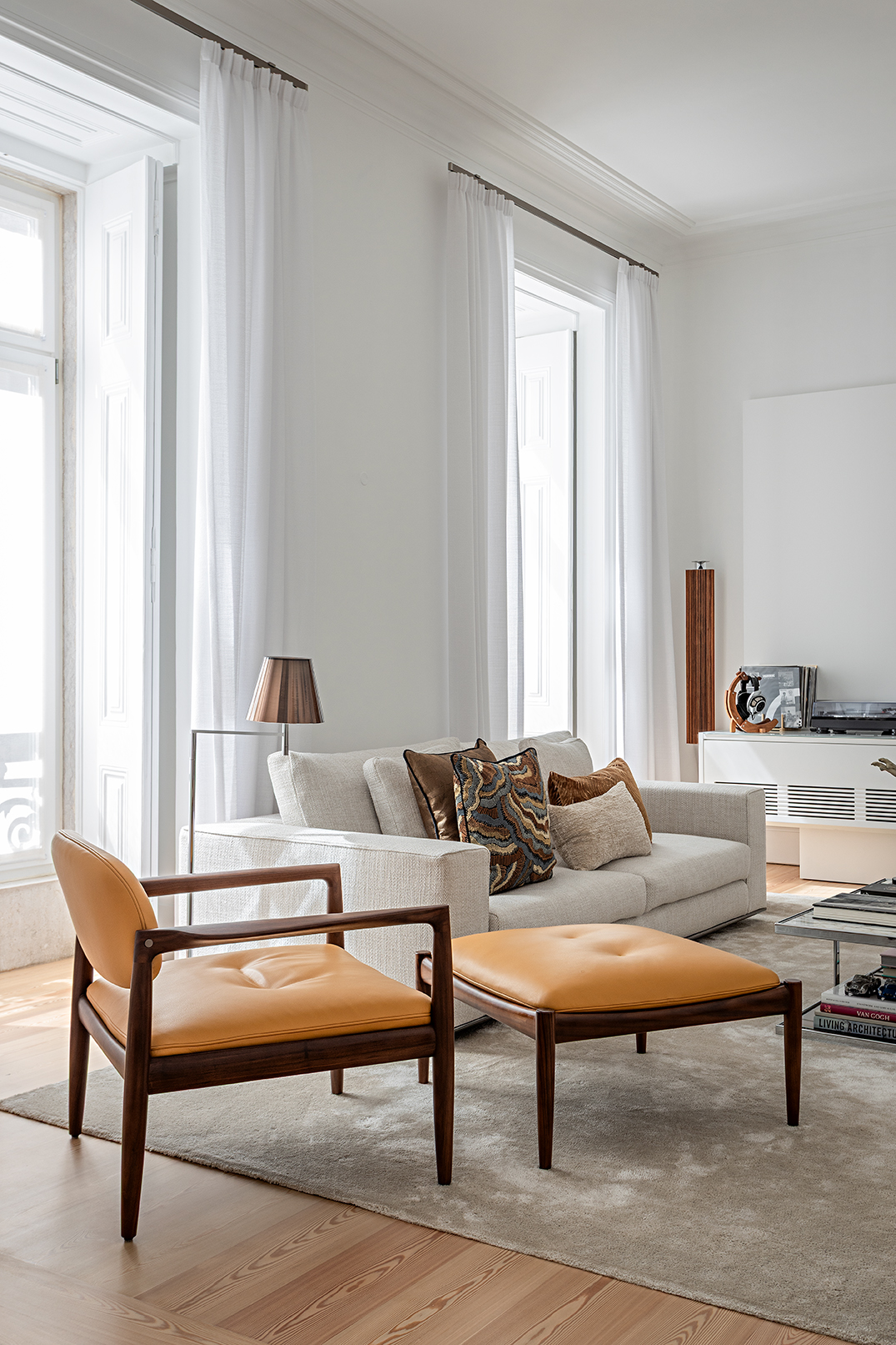
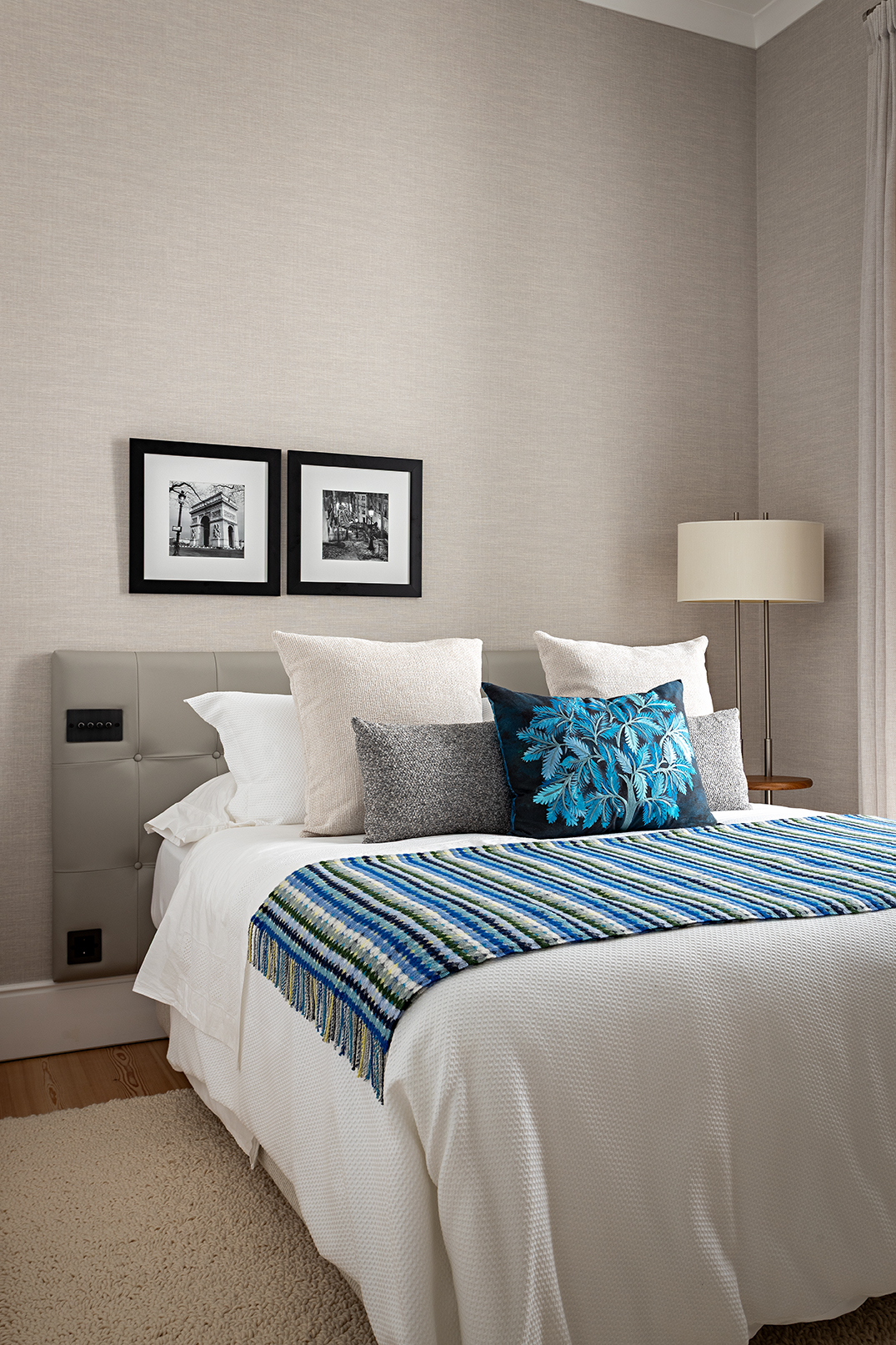
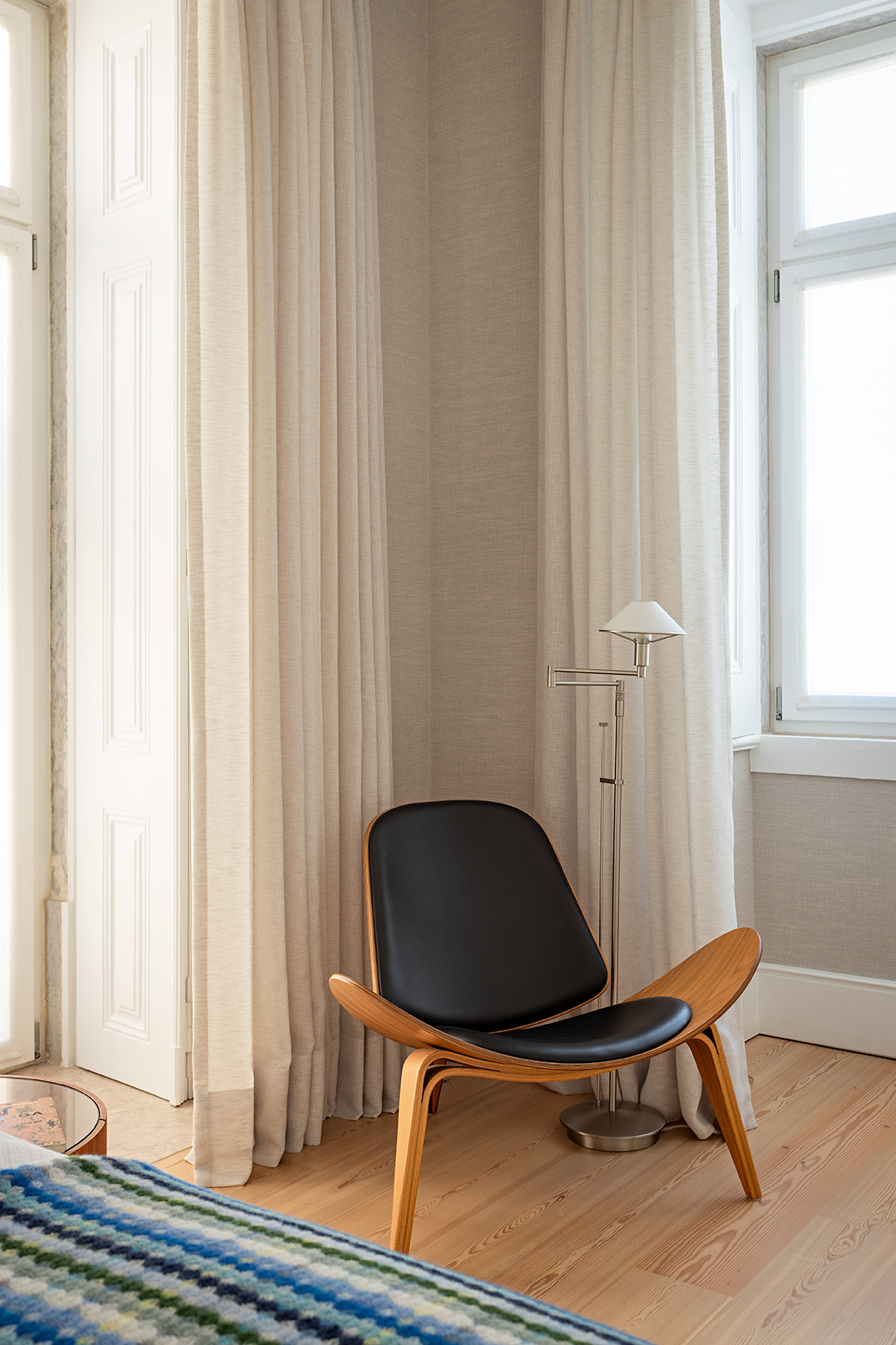
The story begins with the furniture. Once the architecture is complete, it is the furniture that gives life to the spaces we inhabit. It reflects the choices people make and the way they choose to live. Well-designed furniture is timeless: it becomes part of a family’s legacy and bears witness to countless shared moments over the years.
Carlos Otávio is an architect and visual artist who graduated from the Federal University of Ceará (UFC) in 1987. Early in his artistic career, he received national recognition after winning the Pirelli Young Painting Award, which led to an exhibition at MASP (São Paulo Museum of Art) — an experience that helped shape the sensitive and distinctive perspective that continues to inform his architectural practice.
Founded in 1987, Carlos Otávio Arquitetos has nearly four decades of experience designing residential, commercial and corporate projects across Brazil and Europe. Over the years, the practice has become known for creating timeless spaces defined by thoughtful craftsmanship, meticulous attention to detail and a strong sense of each client’s identity.
His work in interior architecture is particularly recognised for its seamless integration of architecture, art and design. Among the studio’s most notable projects are the interiors for the Coco Bambu Frutos do Mar and Vasto restaurant groups, as well as several of Fortaleza’s most celebrated dining destinations, including Murano and La Bella Italia, reflecting another of Carlos Otávio’s enduring passions: gastronomy.
Today, Carlos Otávio divides his time between Portugal and Brazil, while maintaining Fortaleza as the headquarters of his practice, from where he oversees projects throughout Brazil and across Europe.
Above all, a home is a refuge from the outside world. It should offer warmth and embody whatever comfort and beauty mean to the people who live there.
DL: What do clients ask for today that they didn’t ask for ten years ago?
CO: I don’t believe human aspirations have changed that much. Technology has certainly transformed the way we live and has introduced new requirements into our homes, but the essence remains the same. Over time, many of my clients have matured, just as I have. After almost forty years of practice, I am undoubtedly a better architect—more experienced, more confident and more open to new ideas, while remaining focused on what truly matters. The people who come to us today already understand the values we share: art, craftsmanship, authentic design and the importance of memory.
DL: What is the most challenging part of designing a home for someone else?
CO: Today, I don’t see it as particularly difficult. Earlier in my career, it was more challenging to defend your principles while responding to the constraints of the site, complying with regulations and respecting the project’s budget. Experience makes all of that much smoother.
DL: Are there decisions you can only make after spending time on the site?
CO: Many. Good architecture should always be deeply connected to its surroundings. Understanding the direction of the wind, the movement of the sun throughout the day, the landscape beyond the building and the neighbouring architecture is essential. All of these elements become part of the project itself.
DL: How do you choose the pieces that complete a space?
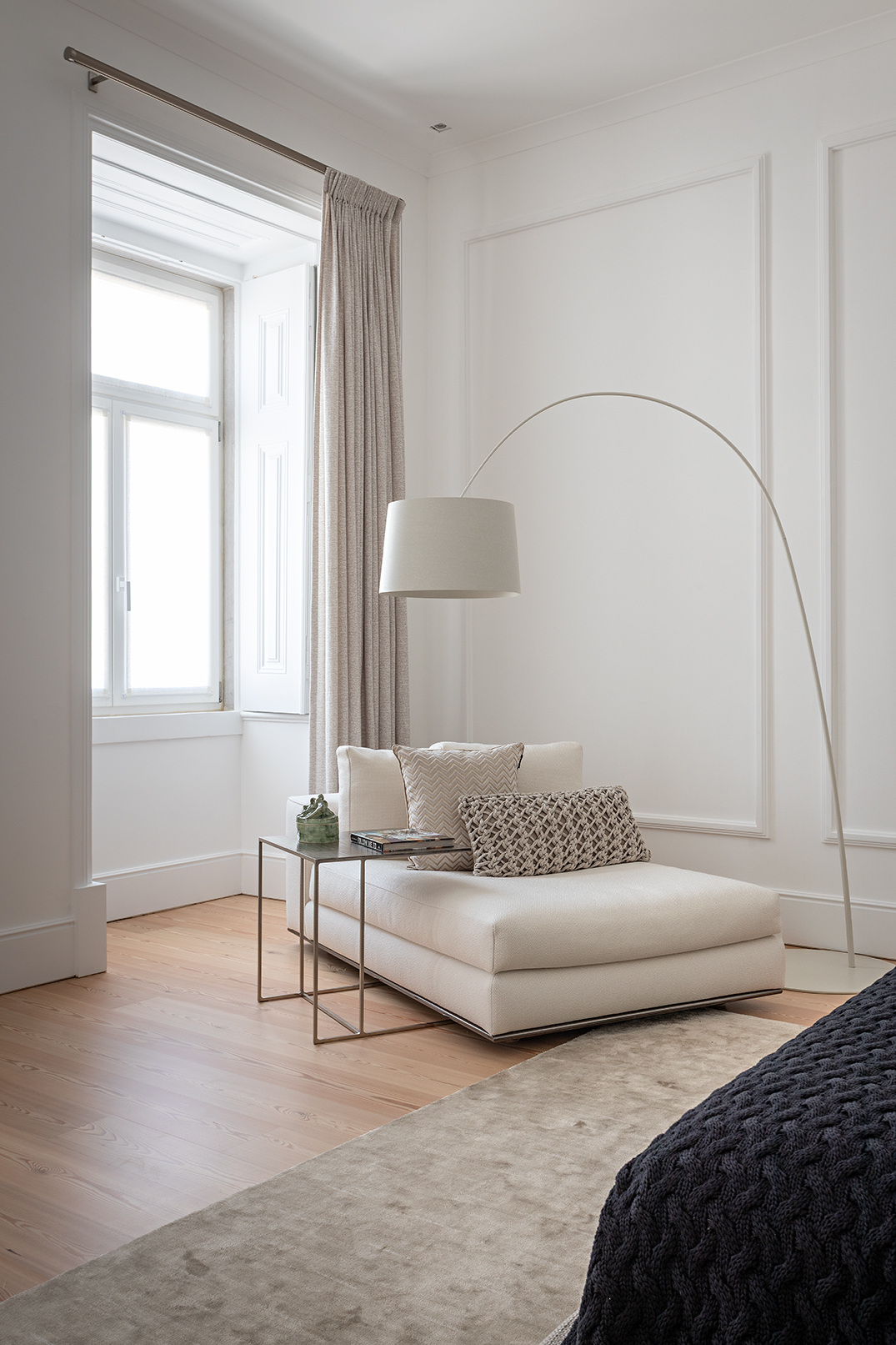
CO: It always comes down to proportion, distinctive design, quality, texture and, above all, harmony. Every element should contribute to a composition that feels balanced and cohesive.
DL: To what extent does furniture help tell the story of a home?
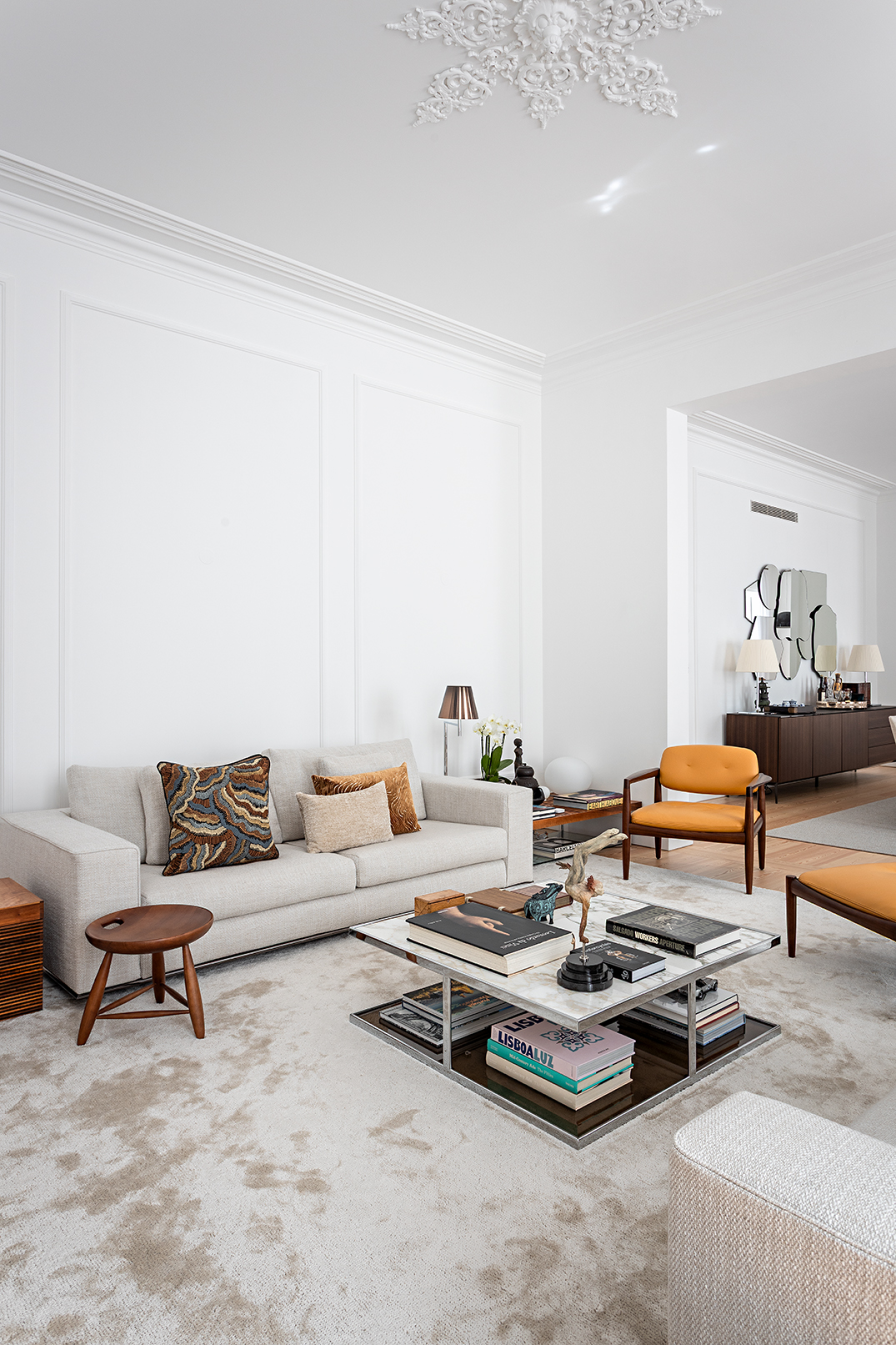
CO: The story begins with the furniture. Once the architecture is complete, it is the furniture that gives life to the spaces we inhabit. It reflects the choices people make and the way they choose to live. Well-designed furniture is timeless: it becomes part of a family’s legacy and bears witness to countless shared moments over the years.
DL: How did your relationship with QuartoSala begin?
CO: Even before moving to Portugal, I worked on a project for a close architect friend from the Algarve, Jaime Coutinho, designing the interiors of his home. I had previously designed his apartment in Brazil, and one project naturally led to another. Through that experience, I became familiar with QuartoSala and its remarkable collection, as well as its exceptional curation of some of the world’s finest furniture and design brands.
DL: Are there materials you find yourself returning to time and again? Why?
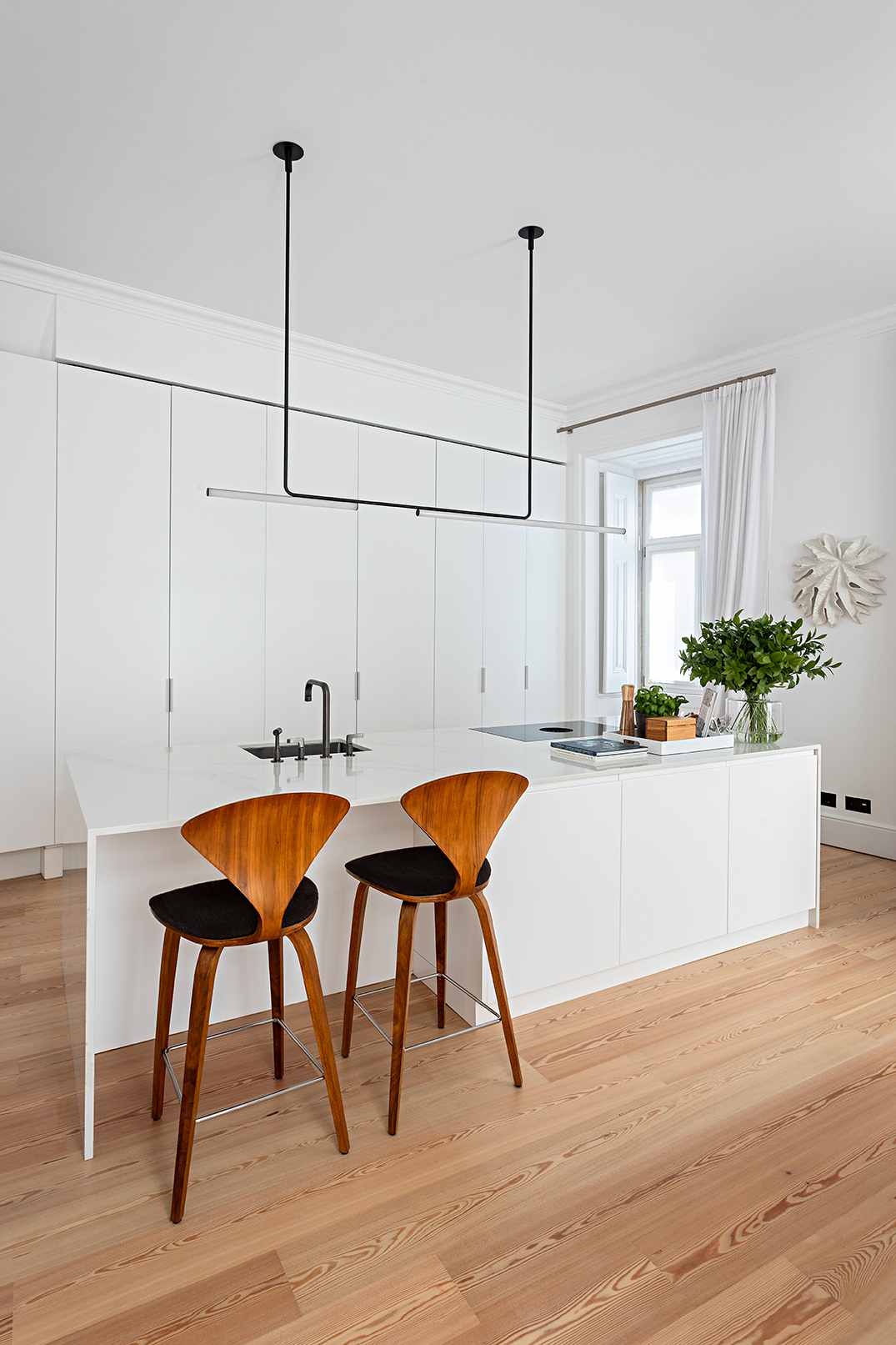
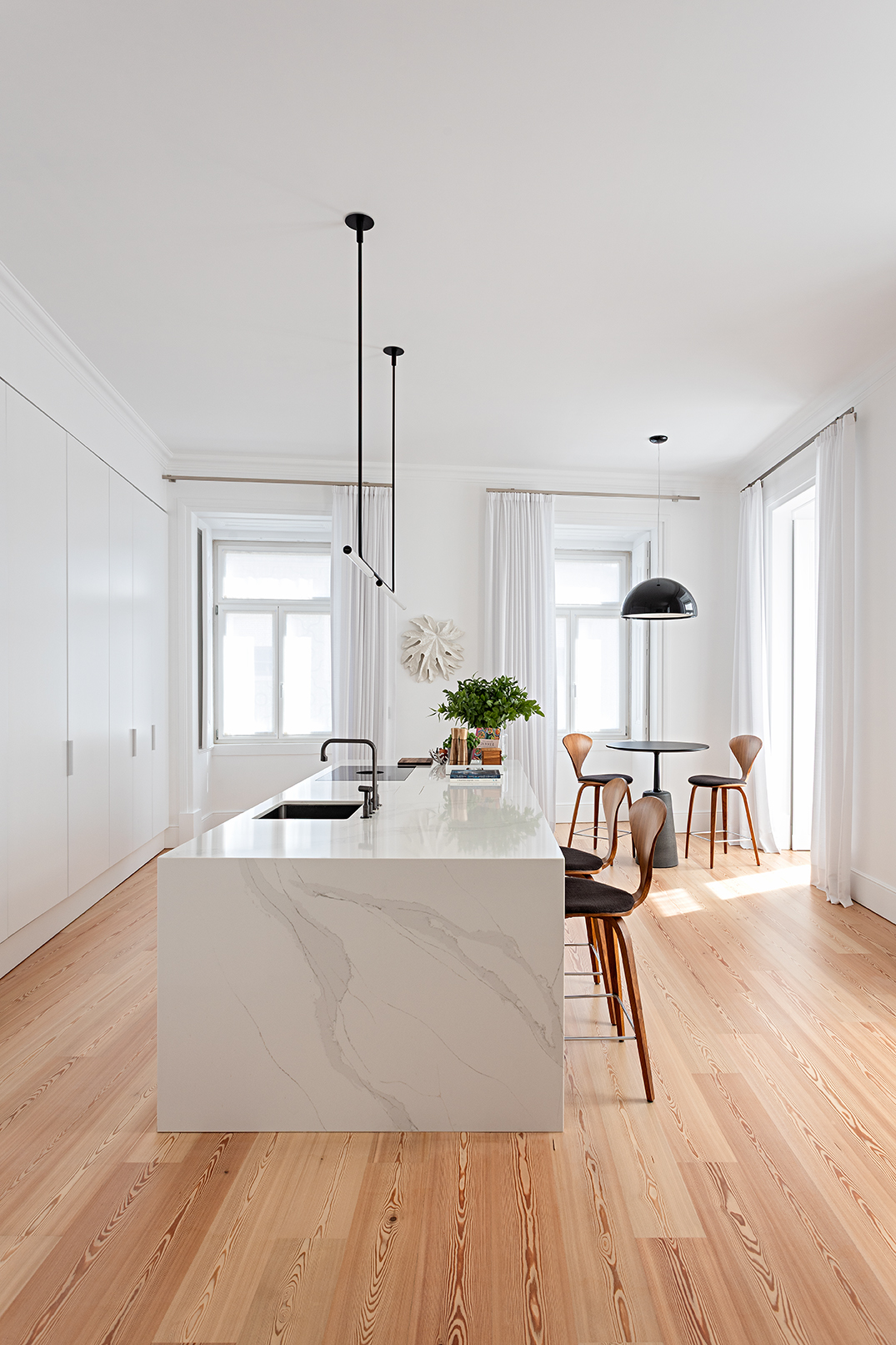
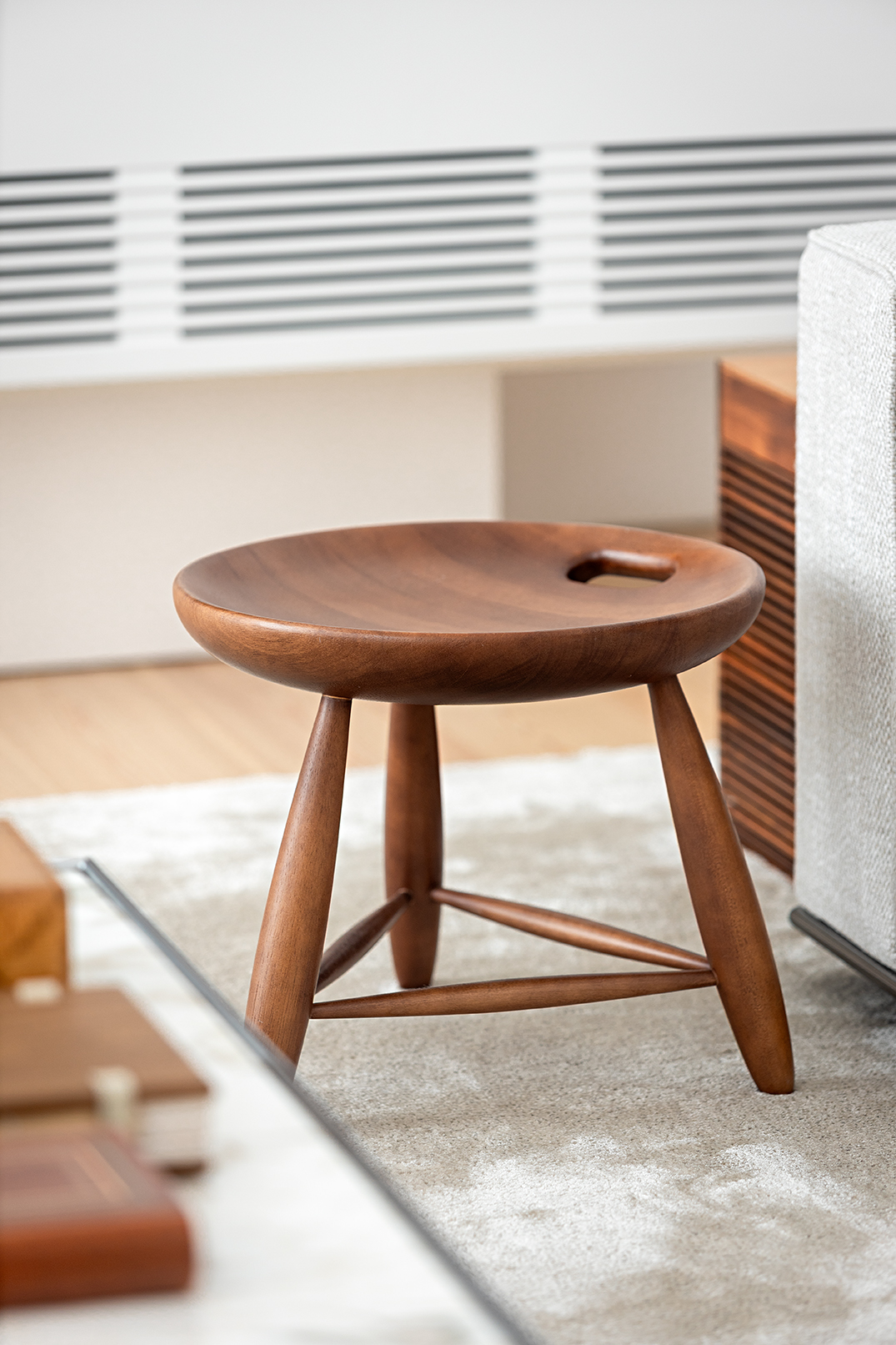
CO: As Brazilians, we have a deep-rooted architectural tradition that celebrates wood. During the 1950s and 1960s, Brazilian architecture and furniture gained international recognition for their originality, much of it through the use of timber. Wood creates an immediate connection with nature, as do natural stones. Stone is not only beautiful—it also possesses an enduring quality that stands the test of time.
DL: Does sustainability influence those choices?
CO: Absolutely. Sustainability goes far beyond aesthetics. It reflects our values as human beings and our responsibility towards both people and the planet we share. Whenever possible, I choose to work with companies that genuinely embrace that commitment.
DL: How does a city influence a project?
CO: In countless ways. Climate shapes both spatial decisions and material choices, while the culture of a place inevitably influences how people live and interact with their surroundings. Every city brings its own character to a project.
DL: When working in different countries, how do you avoid repeating the same design language?
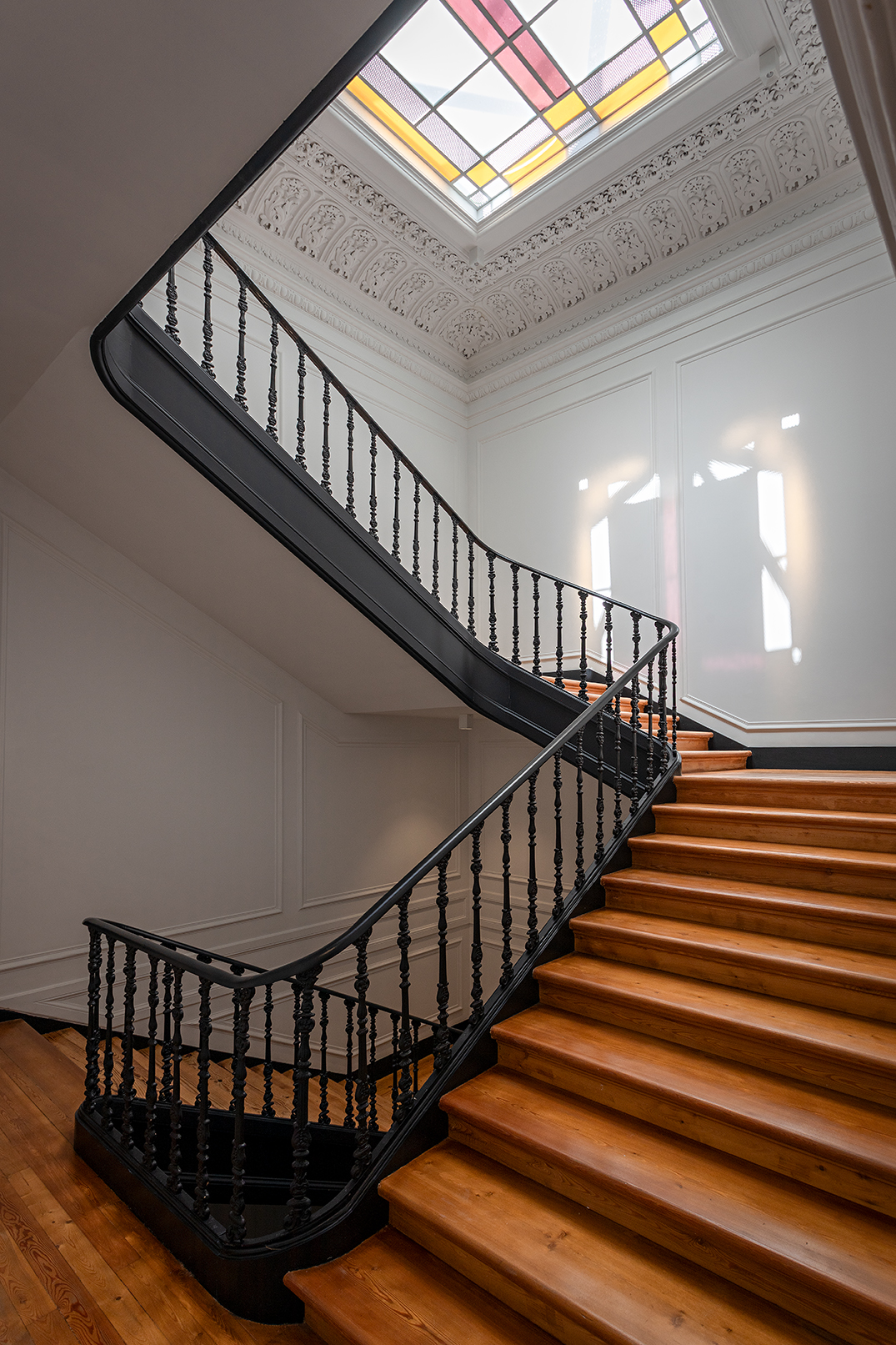
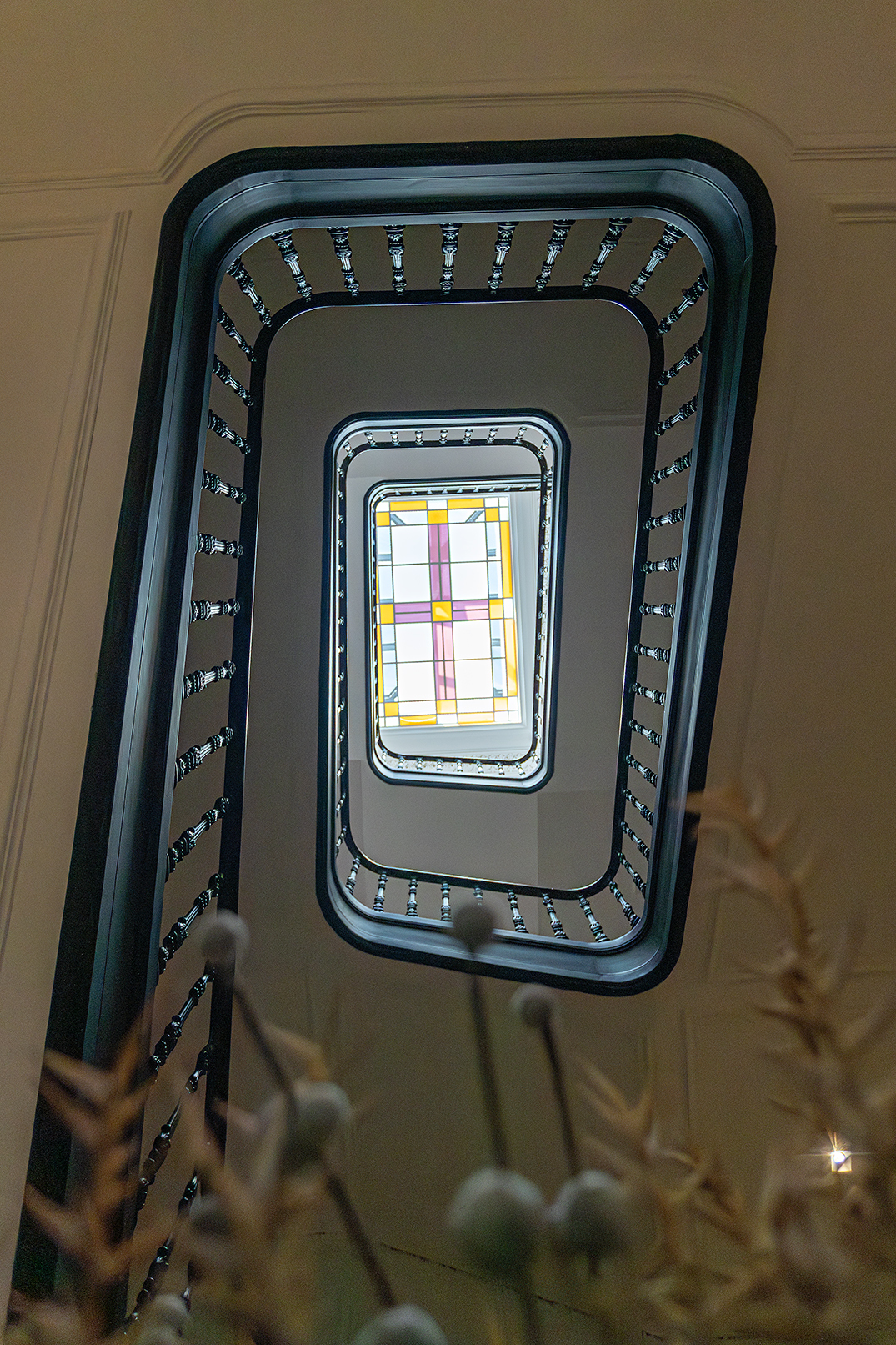
CO: While certain principles define my approach, every project is unique because it belongs to its place. The context always informs the architecture. One beautiful example in Lisbon is the Cross of Saint Andrew, found in many Pombaline buildings. It is a distinctive architectural feature that gives these spaces a unique identity and sense of place.
DL: Is there something you notice that most people tend to overlook?
CO: I’m naturally very observant. I collect images and moments wherever I go, and walking through Lisbon has become an essential part of my daily life. Architects experience cities in layers—we notice their strengths and flaws, their symmetries and imperfections. One detail I pay particular attention to is the harmony of building heights within certain neighbourhoods. It has a profound impact on how a city feels, as does the presence of generous green spaces that encourage people to experience it on foot.
DL: What is the first thing you notice when entering an unfamiliar space?
CO: Beyond aesthetics—which naturally comes with the profession—I notice organisation and cleanliness. They reveal a great deal about a place.
DL: How do references inform your creative process? Is it still possible to surprise people in a world saturated with images?
CO: References are one of an architect’s greatest resources. They come from travel, books, exhibitions, memorable places and meaningful encounters. Every project begins with everything you’ve accumulated throughout your life. When facing a new challenge, it’s about curating those references with intention, while also using the vast amount of information available today to deepen your research. I often say that no body exists without a soul. Every project needs its own soul—something entirely unique, shaped by thoughtful choices. That’s how you continue to surprise people.
DL: Where do you look for inspiration beyond architecture?
CO: In art. In meaningful travel. In literature and nature. Around a table shared with friends, enjoying one of Portugal’s greatest treasures: an exceptional glass of wine.
DL: You’ve developed projects in Portugal. What differences have you found between designing in Brazil and in Portugal?
CO: Since moving to Portugal, I’ve had the opportunity to work on a variety of projects here. It’s a very different moment in my career. In Brazil, I lead a large practice based in Fortaleza, with an extensive portfolio of projects across the country. In Portugal, I’ve chosen a more focused pace, dedicating myself to fewer projects with greater attention to research, creativity and excellence.
Working across Portugal, Brazil and France has shown me that people’s aspirations are remarkably similar. What changes is the profile of each client and the nature of each project. My work has increasingly centred on high-end residential design, where the values and expectations tend to be shared across cultures.
DL: Is there something about Portuguese architecture that particularly interests you?
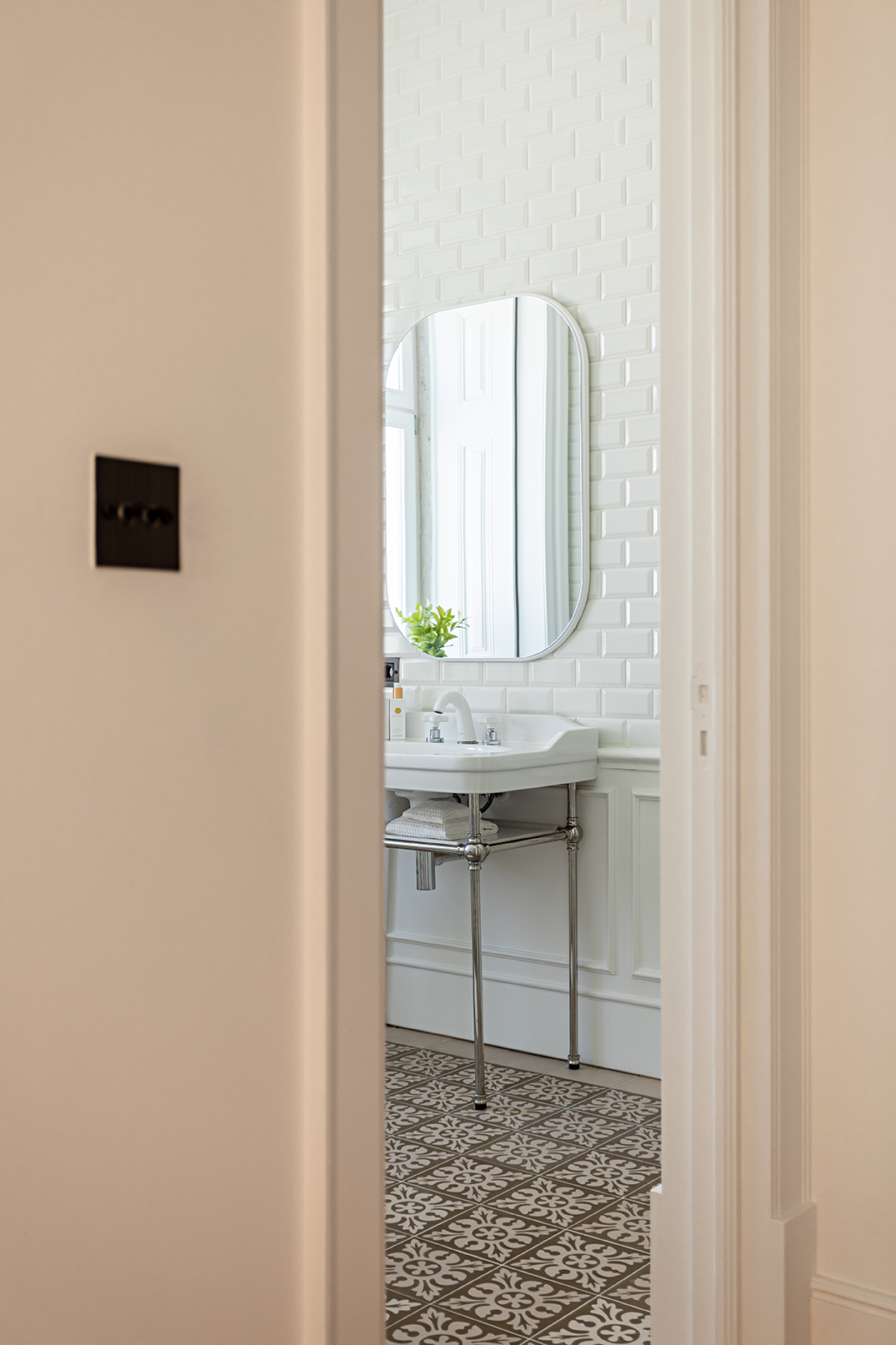
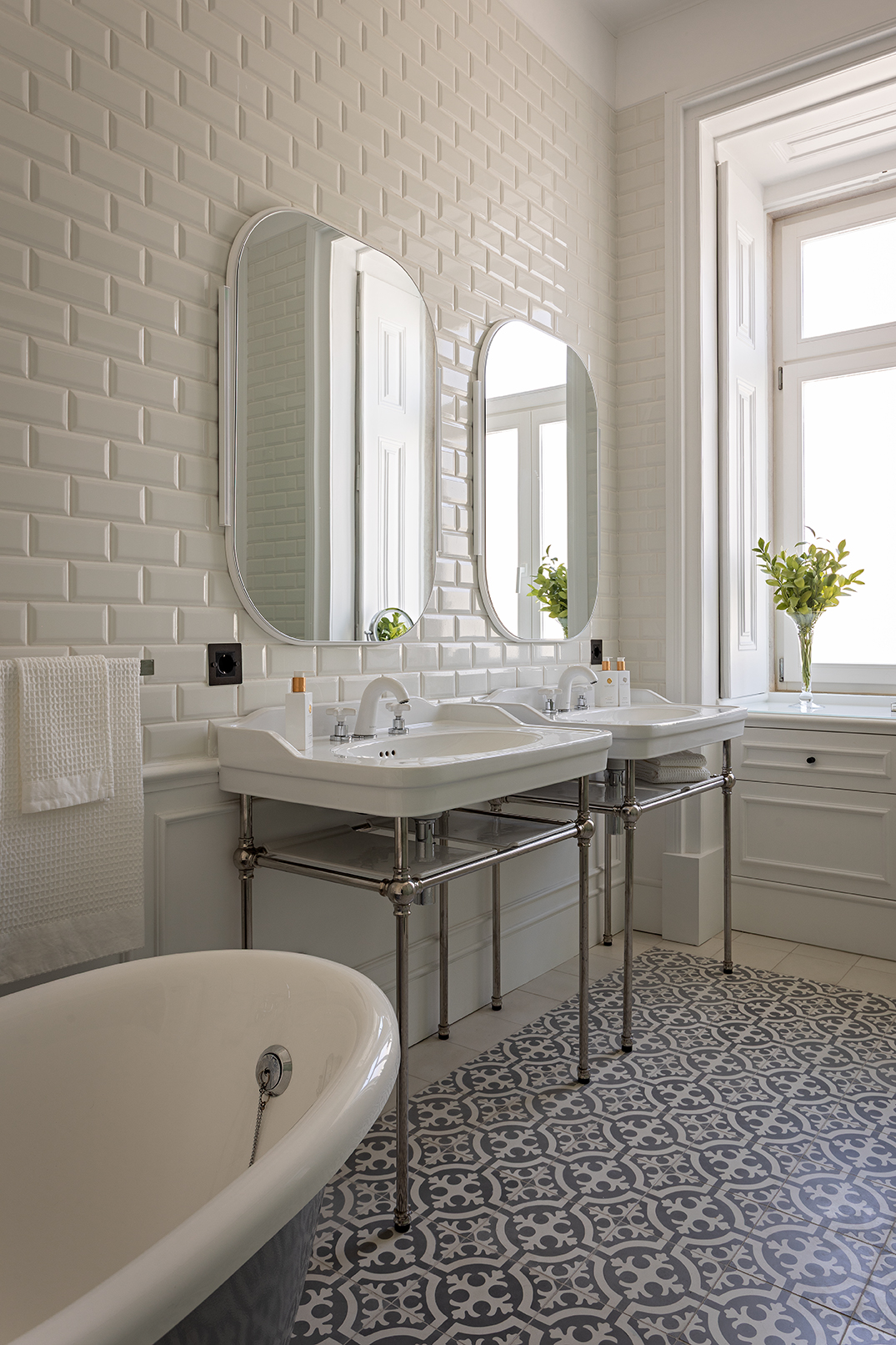
CO: Many qualities of historic Portuguese architecture travelled to colonial Brazil, which makes them feel deeply familiar to me. There is warmth, identity and the extraordinary beauty of traditional azulejos, all of which carry a strong sense of memory. Contemporary residential architecture has become increasingly international, but these historic elements continue to give Portuguese architecture its unique character.
DL: What do you see as the profession’s greatest challenges over the coming years?
CO: Continuing to embrace increasingly complex projects. We’re currently working on hospitality developments, high-end residential architecture and apartment interiors ranging from 300 to 500 square metres. It’s those challenges that keep us moving forward.
DL: What do you hope people feel when they walk into a space you’ve designed?
CO: A sense of welcome. Authenticity. Harmony.
DL: What does architecture continue to give you?
CO: It has given me more than I could ever have imagined. It has shaped the way I see the world and introduced me to lifelong friends. Working so closely with clients over long periods naturally creates relationships that often become genuine friendships. Through architecture, I’ve built an extraordinary collection of experiences around the world. It even led me to choose another country to call home—Portugal. All of it has made me a better person and continues to remind me that every project, wherever it may be and whoever it is for, deserves to be treated as something truly unique.
I’m naturally very observant. I collect images and moments wherever I go, and walking through Lisbon has become an essential part of my daily life. Architects experience cities in layers—we notice their strengths and flaws, their symmetries and imperfections.
Design em Lisboa: What first drew you to architecture?
Carlos Otávio: Art has been part of who I am since childhood. I began my professional life as an artist at the age of eighteen. When the time came to choose a university and decide on a career, architecture felt like the most natural path: it was where art and technical knowledge came together seamlessly. Art never disappeared; it simply found a new expression through architecture, which has remained my lifelong passion.
DL: Was there a particular moment or influence that shaped the way you think about space today?
CO: It began during my years at the University of Architecture, where my interests gradually took shape. I developed a deep appreciation for the work of Frank Lloyd Wright and for those architectural movements that understand architecture and nature as complementary forces. I also believe art must always be present—it is what gives each project its own perspective and allows every space to become truly unique.
DL: When you begin a new project, where do you start?
CO: Always with research. Before anything else, it’s essential to understand the client’s objectives, the context in which the project will exist, and the inspirations that each situation naturally calls for. Whether residential or commercial, every project should emerge as something deeply personal and entirely unique.
DL: How do you get to know the people who will live in space?
CO: It always begins with a conversation. An informal but attentive dialogue reveals not only what clients are hoping to achieve, but also what they value most and the dreams they are entrusting us with. Designing a home is ultimately about building something meaningful together.
DL: What makes a house memorable?
CO: Identity. Something that only personal memories can shape over time. Architecture is about permanence and solidity. Above all, a home is a refuge from the outside world. It should offer warmth and embody whatever comfort and beauty mean to the people who live there.
DL: At what point do you know a project is heading in the right direction?
CO: It starts with the floor plan. Before anything else, it determines how spaces can be organized in the most balanced and thoughtful way. From there, the moodboard evolves alongside the client throughout the process, creating a relationship built on trust—and that’s what ultimately leads to the best possible outcome.
DL: Is there a quality you strive for in every project, regardless of its scale or budget?
CO: Yes, timelessness. Harmony between every element is fundamental, as is the sense of proportion that brings the entire project together.
DL: How do you think about the relationship between architecture and time? When designing a project, do you consider how it will be experienced twenty or thirty years from now?
CO: As I mentioned before, architecture is permanence. It creates history; it becomes part of a place’s heritage. Work carried out with responsibility and talent retains its value over time. We should build using the technologies and materials of today, but always with a timeless vision.
Above all, a home is a refuge from the outside world. It should offer warmth and embody whatever comfort and beauty mean to the people who live there.
DL: What do clients ask for today that they didn’t ask for ten years ago?
CO: I don’t believe human aspirations have changed that much. Technology has certainly transformed the way we live and has introduced new requirements into our homes, but the essence remains the same. Over time, many of my clients have matured, just as I have. After almost forty years of practice, I am undoubtedly a better architect—more experienced, more confident and more open to new ideas, while remaining focused on what truly matters. The people who come to us today already understand the values we share: art, craftsmanship, authentic design and the importance of memory.
DL: What is the most challenging part of designing a home for someone else?
CO: Today, I don’t see it as particularly difficult. Earlier in my career, it was more challenging to defend your principles while responding to the constraints of the site, complying with regulations and respecting the project’s budget. Experience makes all of that much smoother.
DL: Are there decisions you can only make after spending time on the site?
CO: Many. Good architecture should always be deeply connected to its surroundings. Understanding the direction of the wind, the movement of the sun throughout the day, the landscape beyond the building and the neighbouring architecture is essential. All of these elements become part of the project itself.
DL: How do you choose the pieces that complete a space?
CO: It always comes down to proportion, distinctive design, quality, texture and, above all, harmony. Every element should contribute to a composition that feels balanced and cohesive.
DL: To what extent does furniture help tell the story of a home?
CO: The story begins with the furniture. Once the architecture is complete, it is the furniture that gives life to the spaces we inhabit. It reflects the choices people make and the way they choose to live. Well-designed furniture is timeless: it becomes part of a family’s legacy and bears witness to countless shared moments over the years.
DL: How did your relationship with QuartoSala begin?
CO: Even before moving to Portugal, I worked on a project for a close architect friend from the Algarve, Jaime Coutinho, designing the interiors of his home. I had previously designed his apartment in Brazil, and one project naturally led to another. Through that experience, I became familiar with QuartoSala and its remarkable collection, as well as its exceptional curation of some of the world’s finest furniture and design brands.
DL: Are there materials you find yourself returning to time and again? Why?
CO: As Brazilians, we have a deep-rooted architectural tradition that celebrates wood. During the 1950s and 1960s, Brazilian architecture and furniture gained international recognition for their originality, much of it through the use of timber. Wood creates an immediate connection with nature, as do natural stones. Stone is not only beautiful—it also possesses an enduring quality that stands the test of time.
DL: Does sustainability influence those choices?
CO: Absolutely. Sustainability goes far beyond aesthetics. It reflects our values as human beings and our responsibility towards both people and the planet we share. Whenever possible, I choose to work with companies that genuinely embrace that commitment.
DL: How does a city influence a project?
CO: In countless ways. Climate shapes both spatial decisions and material choices, while the culture of a place inevitably influences how people live and interact with their surroundings. Every city brings its own character to a project.
DL: When working in different countries, how do you avoid repeating the same design language?
CO: While certain principles define my approach, every project is unique because it belongs to its place. The context always informs the architecture. One beautiful example in Lisbon is the Cross of Saint Andrew, found in many Pombaline buildings. It is a distinctive architectural feature that gives these spaces a unique identity and sense of place.
DL: Is there something you notice that most people tend to overlook?
CO: I’m naturally very observant. I collect images and moments wherever I go, and walking through Lisbon has become an essential part of my daily life. Architects experience cities in layers—we notice their strengths and flaws, their symmetries and imperfections. One detail I pay particular attention to is the harmony of building heights within certain neighbourhoods. It has a profound impact on how a city feels, as does the presence of generous green spaces that encourage people to experience it on foot.
The story begins with the furniture. Once the architecture is complete, it is the furniture that gives life to the spaces we inhabit. It reflects the choices people make and the way they choose to live. Well-designed furniture is timeless: it becomes part of a family’s legacy and bears witness to countless shared moments over the years.
DL: What is the first thing you notice when entering an unfamiliar space?
CO: Beyond aesthetics—which naturally comes with the profession—I notice organisation and cleanliness. They reveal a great deal about a place.
DL: How do references inform your creative process? Is it still possible to surprise people in a world saturated with images?
CO: References are one of an architect’s greatest resources. They come from travel, books, exhibitions, memorable places and meaningful encounters. Every project begins with everything you’ve accumulated throughout your life. When facing a new challenge, it’s about curating those references with intention, while also using the vast amount of information available today to deepen your research. I often say that no body exists without a soul. Every project needs its own soul—something entirely unique, shaped by thoughtful choices. That’s how you continue to surprise people.
DL: Where do you look for inspiration beyond architecture?
CO: In art. In meaningful travel. In literature and nature. Around a table shared with friends, enjoying one of Portugal’s greatest treasures: an exceptional glass of wine.
DL: You’ve developed projects in Portugal. What differences have you found between designing in Brazil and in Portugal?
CO: Since moving to Portugal, I’ve had the opportunity to work on a variety of projects here. It’s a very different moment in my career. In Brazil, I lead a large practice based in Fortaleza, with an extensive portfolio of projects across the country. In Portugal, I’ve chosen a more focused pace, dedicating myself to fewer projects with greater attention to research, creativity and excellence.
Working across Portugal, Brazil and France has shown me that people’s aspirations are remarkably similar. What changes is the profile of each client and the nature of each project. My work has increasingly centred on high-end residential design, where the values and expectations tend to be shared across cultures.
DL: Is there something about Portuguese architecture that particularly interests you?
CO: Many qualities of historic Portuguese architecture travelled to colonial Brazil, which makes them feel deeply familiar to me. There is warmth, identity and the extraordinary beauty of traditional azulejos, all of which carry a strong sense of memory. Contemporary residential architecture has become increasingly international, but these historic elements continue to give Portuguese architecture its unique character.
DL: What do you see as the profession’s greatest challenges over the coming years?
CO: Continuing to embrace increasingly complex projects. We’re currently working on hospitality developments, high-end residential architecture and apartment interiors ranging from 300 to 500 square metres. It’s those challenges that keep us moving forward.
DL: What do you hope people feel when they walk into a space you’ve designed?
CO: A sense of welcome. Authenticity. Harmony.
DL: What does architecture continue to give you?
CO: It has given me more than I could ever have imagined. It has shaped the way I see the world and introduced me to lifelong friends. Working so closely with clients over long periods naturally creates relationships that often become genuine friendships. Through architecture, I’ve built an extraordinary collection of experiences around the world. It even led me to choose another country to call home—Portugal. All of it has made me a better person and continues to remind me that every project, wherever it may be and whoever it is for, deserves to be treated as something truly unique.
I’m naturally very observant. I collect images and moments wherever I go, and walking through Lisbon has become an essential part of my daily life. Architects experience cities in layers—we notice their strengths and flaws, their symmetries and imperfections.
Carlos Otávio is an architect and visual artist who graduated from the Federal University of Ceará (UFC) in 1987. Early in his artistic career, he received national recognition after winning the Pirelli Young Painting Award, which led to an exhibition at MASP (São Paulo Museum of Art) — an experience that helped shape the sensitive and distinctive perspective that continues to inform his architectural practice.
Founded in 1987, Carlos Otávio Arquitetos has nearly four decades of experience designing residential, commercial and corporate projects across Brazil and Europe. Over the years, the practice has become known for creating timeless spaces defined by thoughtful craftsmanship, meticulous attention to detail and a strong sense of each client’s identity.
His work in interior architecture is particularly recognised for its seamless integration of architecture, art and design. Among the studio’s most notable projects are the interiors for the Coco Bambu Frutos do Mar and Vasto restaurant groups, as well as several of Fortaleza’s most celebrated dining destinations, including Murano and La Bella Italia, reflecting another of Carlos Otávio’s enduring passions: gastronomy.
Today, Carlos Otávio divides his time between Portugal and Brazil, while maintaining Fortaleza as the headquarters of his practice, from where he oversees projects throughout Brazil and across Europe.
Design em Lisboa is a digital platform designed and developed by QuartoSala to give visibility to projects, architects, designers and artists that are part of the transformation process of the city and are contributing to the creation of a new design landscape in Portugal. With an editorial angle, the most interesting and exciting projects will be photographed and published. The digital magazine will include articles and interviews with established and emerging talents within the universe of interior architecture but also from other artistic and creative spheres, such as painting, sculpture and photography. Our intention is to understand how artists and designers are interacting with Portuguese cultural heritage and reinventing tradition with modernity.