Mirror of a Generation: Sottsass’s Ultrafragola at QuartoSala
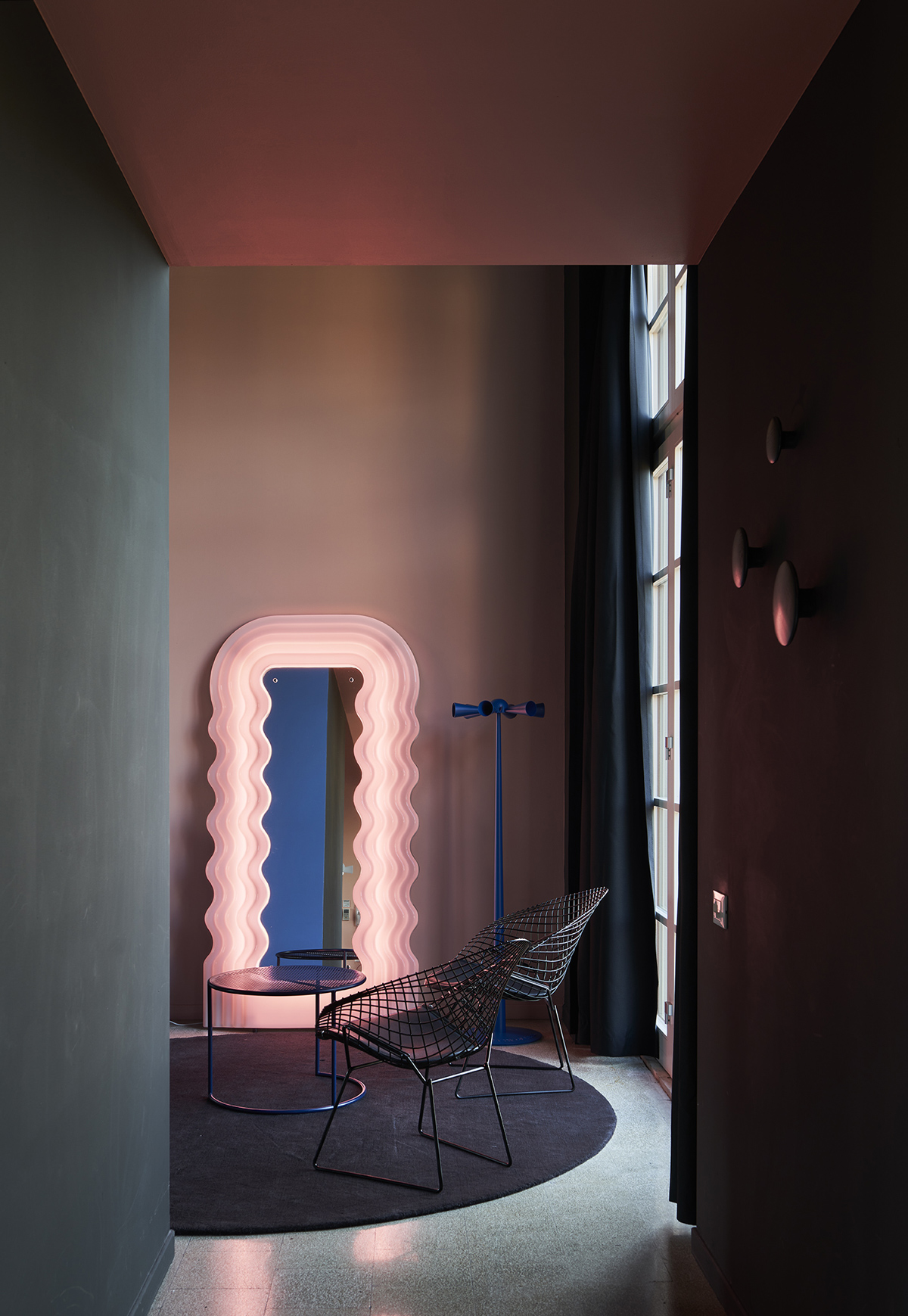
A Postmodern Design icon, the Ultrafragola mirror remains as hypnotic today as when Ettore Sottsass designed it in 1970 for the Italian brand Poltronova.
Gabriel Tan is a singular voice in the international design landscape. Founder of Origin Made, a brand born from his close collaboration with Portuguese artisans, he places craftsmanship at the center of creation and embraces craft as a bridge between cultures. From collaborations with global brands to projects that connect ancestral techniques with the demands of contemporary life, the designer advocates for an ethic rooted in culture, collaboration, and reflection. In conversation, he shares insights about his awakening to Design during his service in the Singapore Navy, his experiences with local artisans, and his ambition to create timeless pieces that unite the gesture of the maker with the intimate experience of those who welcome them into their lives.
Design em Lisboa: What first drew you to design?
Gabriel Tan: It happened in the most unlikely place, when I was 19 and training to be a naval combat officer in the Singapore Navy. While my fellow midshipmen were on the phone with their loved ones at night, I was reading design books that I had chanced upon from the public library. Charles and Ray Eames, Alvar Aalto and Sori Yanagi were some of the designers I read about that opened up a new world to me.
I had been obsessed with art as a child, but later chose to focus on sports when I was in high school. Reading those design books brought back that creative hunger I had forgotten. I decided that this was what I wanted to do with my life, and eventually left the Navy to enrol in design school.
DL: How does your Singaporean background influence your work?
GT: Being Singaporean means that, in a way, I do not carry the weight of centuries-old design traditions. That can be liberating, as there is no expectation of what designers from Singapore should create. We can explore any design territory without being overly bound by heritage.
Singapore is also very much fundamentally about cultural intersection. I grew up surrounded by Chinese, Malay, Indian, and Western influences mixing naturally. That taught me to see collaboration between cultures as normal, not exotic. When I work with Japanese craftspeople for Ariake or Portuguese artisan-makers for Origin Made, I feel at ease and comfortable to act as a bridge between different worlds.
Valuing the hand of the artisan means recognising them as co-creators, not merely manufacturers of your designs and ideas. It also means accepting that handcraft includes imperfection, and that there is value in the beauty of imperfection.
DL: Why did you feel the need to create Origin Made and what makes it different?
GT: So many brands are producing their products in another country but telling their story with their own cultural identity. While I understand the need for outsourcing, the disconnect between where things are made and how they are marketed bothered me because there was a lack of transparency in our industry.
Origin Made puts the artisan-maker upfront. We present honest stories about where products come from and give proper credit to the people who make them. When we work with João Lourenço on “Barro Preto” ceramics, his name and story are as important as the design.
What makes Origin Made different is the commitment to elevate craft. I live within an hour’s drive from most of the craftspeople we collaborate with. I can share a meal with them, understand their family histories, and learn about their techniques. That intimacy creates objects that respect tradition while giving them contemporary forms through design, to meet modern living needs.
DL: Craft is central to your work. What does it mean to truly value the hand of the artisan?
GT: Valuing the hand of the artisan means recognising them as co-creators, not merely manufacturers of your designs and ideas. It also means accepting that handcraft includes imperfection, and that there is value in the beauty of imperfection. Machine production aims for identical repetition, whereas handcrafting creates subtle variations that carry the maker’s personality. This approach is central to craft and to Origin Made.
Value also means fair compensation; we do not “squeeze” our artisans; instead, we see them as a valued partner. We are building long-term relationships with our craftspeople, who can hopefully plan their futures around our collaborations, and attract a new generation to take up craft traditions that may otherwise die out.
DL: What makes a well-crafted object?
GT: A well-crafted object is a result of the meeting of design, craftsmanship, and material. A well-crafted object just works well in its simplicity. You can sense the human decisions in the form and how it looks, and also see how a joint was resolved, why a curve ends where it does, and how the surface was finished. Materially, well-crafted objects improve with age; patina develops character and adds to the piece.
DL: In your creative process, how do you navigate between heritage and innovation?
GT: I start by understanding the heritage technique: how it works, why it evolved that way, what problems it was designed to solve, and what cultural values it embodies.
That foundation and understanding ensure our intervention will not distort what made the technique valuable originally.
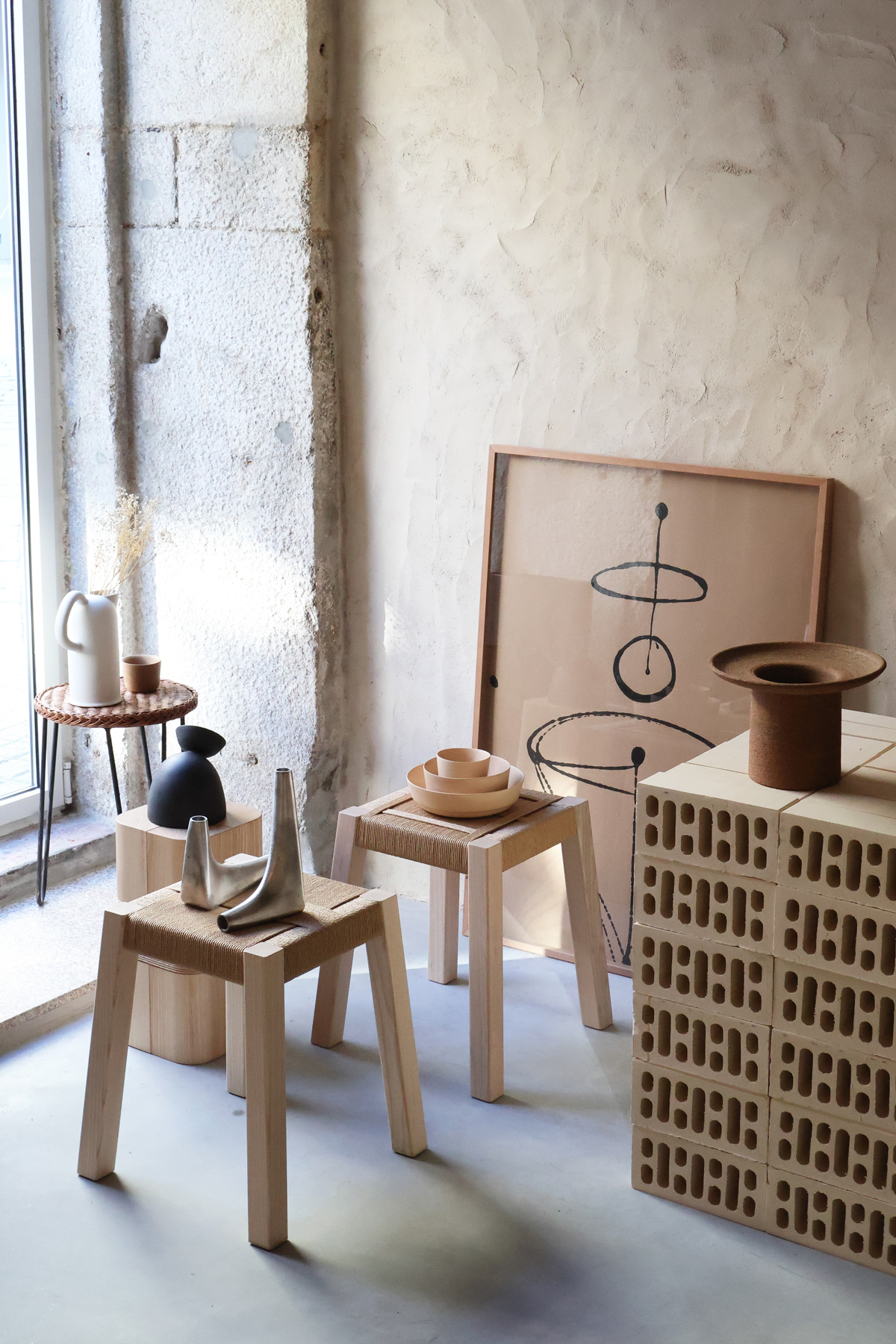
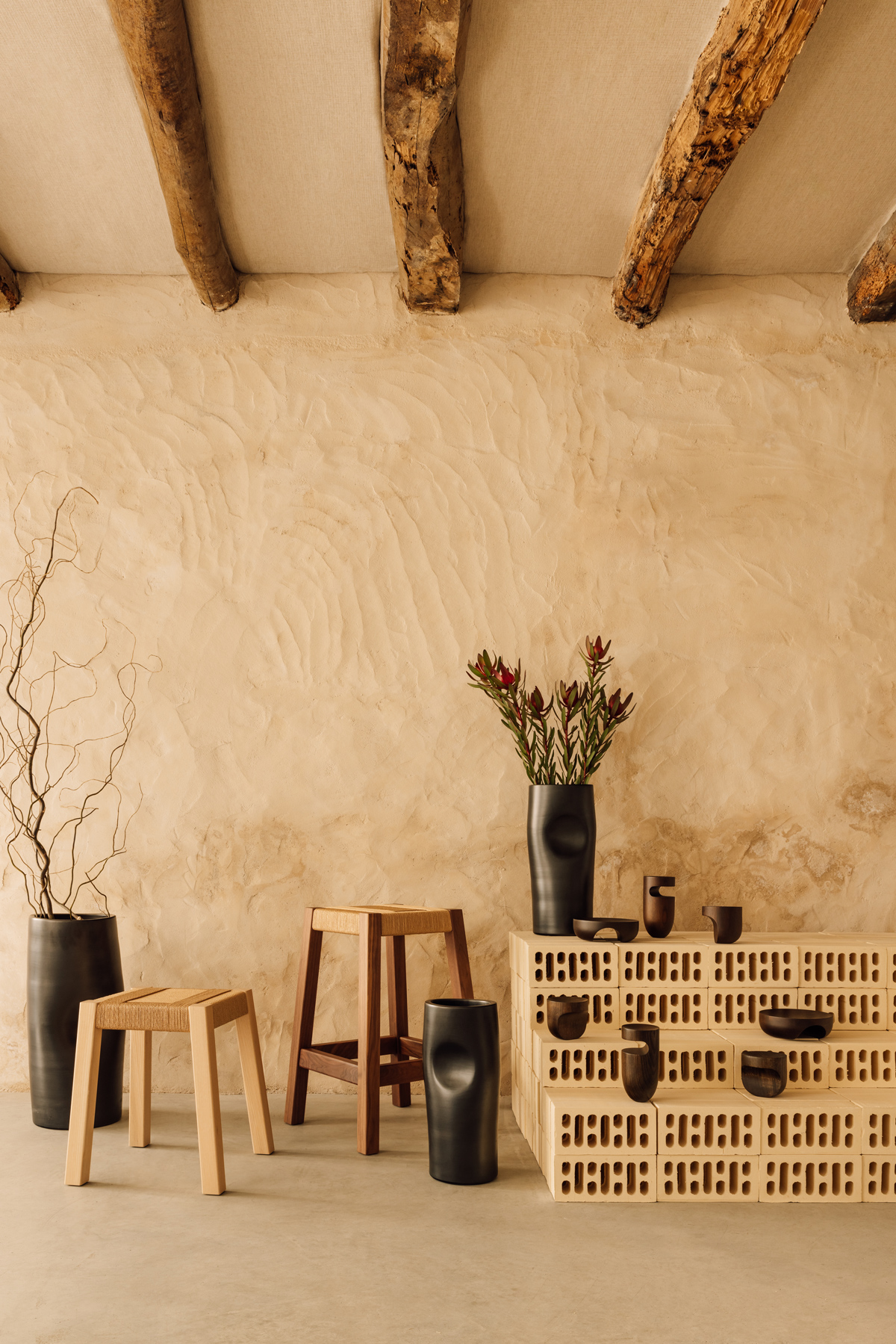
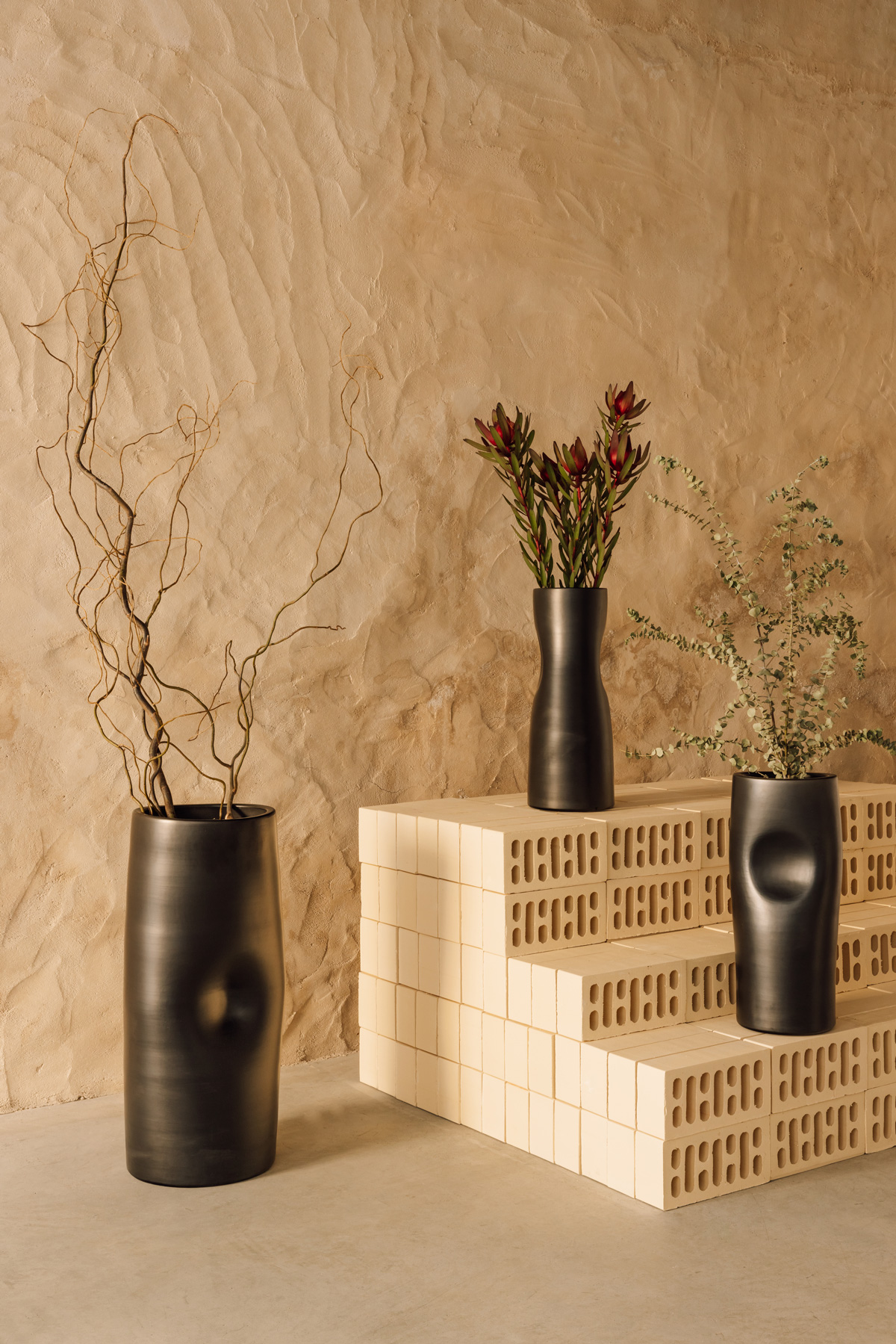
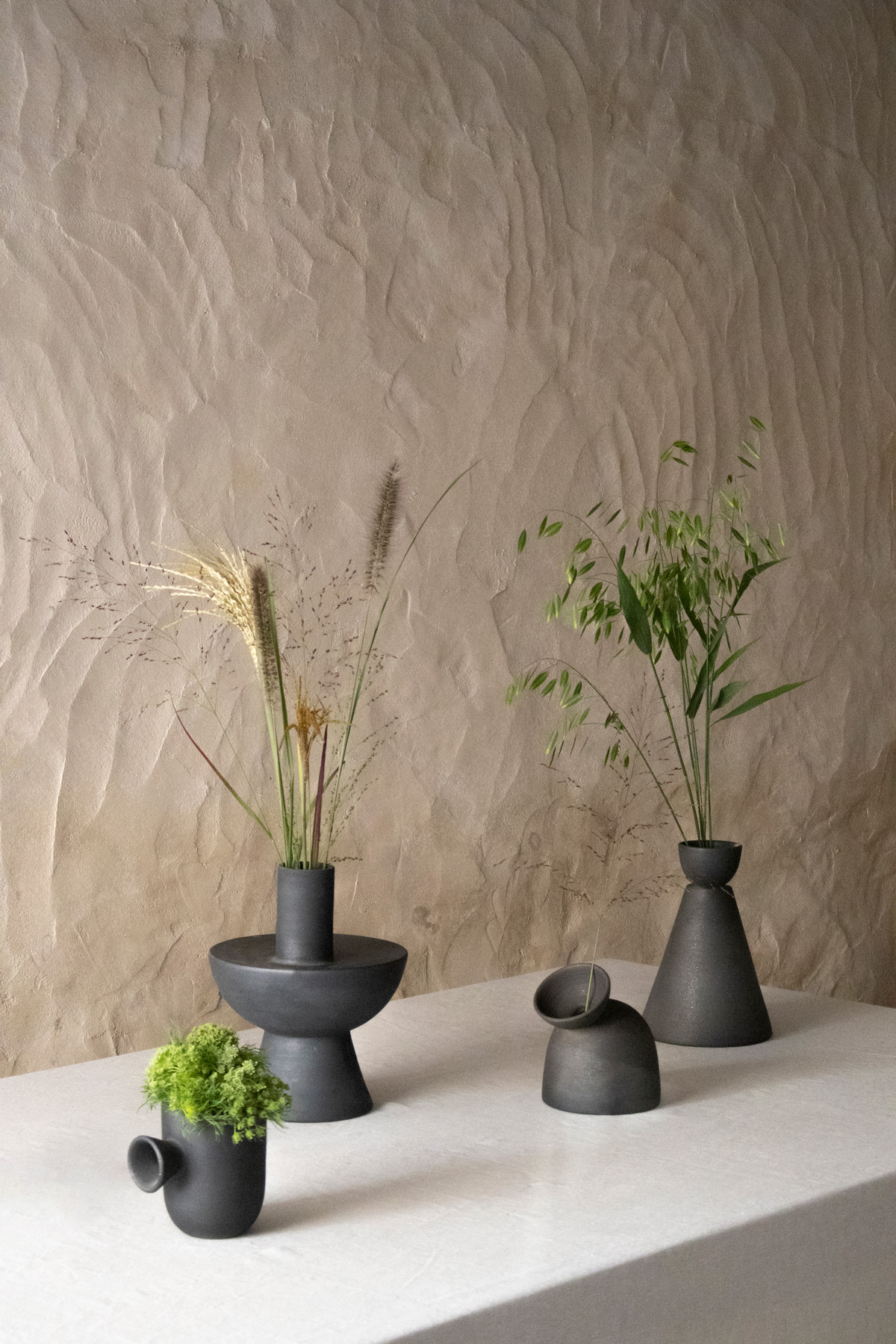
Then I look for contemporary needs that the technique could address differently. “Barro Preto” ceramics are traditionally made as storage vessels and cookware. But the beauty of the non-uniform black-grey finish can lend itself to more modern forms and other applications, so I designed the Charred Vases as beautiful contemporary vases that bring a sculptural aesthetic to modern living interiors while facilitating unusual flower arrangements. The key for me is finding innovation that honours the essence of the traditional way of making while expanding possibilities.
DL: You work with different artisans. What do you look for in these collaborations?
GT: Curiosity, first. I look for artisan-makers who are interested in pushing their own boundaries, not just repeating learnt patterns. I am also looking for people who understand their materials so deeply that they can predict how changes will affect the process and the results. That knowledge enables meaningful innovation. Most importantly, I look for openness to dialogue. The best collaborations come from conversations where both sides learn something new.
DL: What have traditional techniques taught you that contemporary design often forgets?
GT: Patience. Traditional techniques evolved over centuries because craftspeople had time to experiment, fail, and refine. Contemporary design production often rushes to market without that deep exploration.
DL: How does being based in Portugal shape your vision?
GT: Portugal has this incredible concentration of traditional crafts within a small geographic area. Within 150km of Porto, I can access pottery, cork production, textile weaving, furniture-making, stone masonry, etc., all with long histories and sometimes even UNESCO-level heritage significance.
The pace in Portugal also allows for deeper relationships. In Singapore, everything moves so quickly, and people often do not have much time to spare for one another. In Portugal, I can spend entire afternoons with craftspeople, really understanding their processes. That time creates trust and enables more adventurous collaborations.
DL: In a global design world, why is origin still so relevant?
GT: Understanding the “origin” of a piece gives it meaning beyond its function. For example, when someone owns an Origin Made Charred Vase, they are connected to centuries of Portuguese Barro Preto tradition, to specific landscapes and materials, and to particular human knowledge. Knowing the name of the person who made the object you own is also significant, as we believe it forges a deeper relationship between human and object.
The efficiency and mass production of objects can feel alienating, and we end up not knowing and eventually not caring where and how the objects we own are made. As humans, we need connection to place and process, and understanding the “origin” of an object provides us with that grounding in a fast-paced modern world, making us more thoughtful consumers.
DL: What do you hope people feel when they invest in an Origin Made piece?
GT: I hope people feel a sense of connection to the piece they are bringing home, not just how the look of the object spoke to them initially, but that link to the hands that made it, the place it comes from, the traditions it represents.
I hope they feel a sense of calm and contemplation. Origin Made objects are made in small batches by the seasoned hands of skilled artisans. These pieces are made slowly and thoughtfully. I hope that when people look upon an Origin Made piece in their homes, they take a moment to pause and appreciate the materiality and the beauty in those pieces.
We have an in-house editorial team that goes to interview our craftsmen and the shares the stories behind each piece and each artisan, which can be found on our website, and are also included in our printed journals and e-newsletters. We hope our customers will have an interest in reading these intellectual content before or after owning a piece from Origin Made and appreciate their pieces even more.
DL: Outside design, where do you find the sparks that feed your creativity?
GT: Travelling and experiencing new things recharges me. I enjoy walking through new cities and just observing people and spaces, and thinking about how different people and cultures solve similar problems differently. I also love sports and enjoy learning about elite athletes: how they train and the mindset they develop to become the best at what they do.
DL: If you had to describe your design ethos in three words, which would they be?
GT: Culture, Collaboration, Reflection.
Cultural understanding informs my design, which results in genuine collaboration with local craft communities that celebrate traditional ways of making.
Collaboration results in the best ideas and designs, as these emerge from understanding multiple perspectives.
And, I believe that good design results in objects and spaces that create moments of reflection and contemplation in our busy lives, and this enables us to slow down, recharge, and feel better.
I hope to show that the craftsperson’s knowledge is as valuable as the designer’s vision. If we can demonstrate that this collaborative approach produces both better objects and more sustainable communities, that would be a legacy worth leaving behind.
DL: Can you tell us more about your collaboration with QuartoSala?
GT: QuartoSala is a design curator and a tastemaker. When I first came to Portugal, I heard about them and I went to visit their store in Principe Real, and was very impressed with their collections. Some of our product designs for B&B Italia and Audo Copenhagen were already selling at QuartoSala, and so I reached out to Pedro and Clemente to introduce myself. They understand design, craftsmanship, and heritage and want to present brands with these qualities authentically to their audience.
Eventually, they saw our work for Origin Made at Lisbon by Design, and then the conversation naturally evolved about working together. It is a pleasure to work with the QuartoSala team, and we believe this partnership will help us reach more people in Lisbon and Portugal who appreciate design and the contemporary applications of traditional crafts.
DL: What future do you dream for Origin Made?
GT: I would like Origin Made to expand our network of collaborating craftspeople across Europe and eventually in other craft-rich regions around the world. Craft culture (to me) should not be seen as territorial, but an important part of mankind and our evolution as a species. Through Origin Made, we aim to get traditional crafts into the homes of more people.
I want to continue working with craftspeople around the world to bring modern forms to centuries-old ways of making that can meet the demands of today’s interiors. If Origin
Made can prove this model works commercially, this will hopefully attract a new generation to take up traditional crafts and allow these practices to flourish.
Long-term, I aim to expand this approach to as many other countries as possible, always with the same principle of deep collaboration rather than cultural extraction.
DL: If Origin Made were to leave a single legacy in design, what would you like it to be?
GT: That designer and craftsperson can be equal partners in creating something neither could achieve alone. Too often, design treats craft as a means to execute concepts and ideas. I hope to show that the craftsperson’s knowledge is as valuable as the designer’s vision. If we can demonstrate that this collaborative approach produces both better objects and more sustainable communities, that would be a legacy worth leaving behind.
Gabriel Tan
Gabriel Tan is a Singaporean designer based in Portugal, known for his sensitive and collaborative approach to contemporary design. Founder of Gabriel Tan Studio and Origin Made, the designer has developed an aesthetic language where tradition and innovation coexist in perfect harmony. His work stands out for its appreciation of craftsmanship and cross-cultural dialogue, reflecting a cosmopolitan vision that connects design, craft, and sustainability. Throughout his career, Gabriel Tan has collaborated with international brands such as B&B Italia, Audo Copenhagen, and Ariake, and his work has been featured in leading design publications. In Portugal, through Origin Made, the creative builds bridges with local craft heritage, creating timeless pieces that celebrate material, hands, and the stories that shape them.

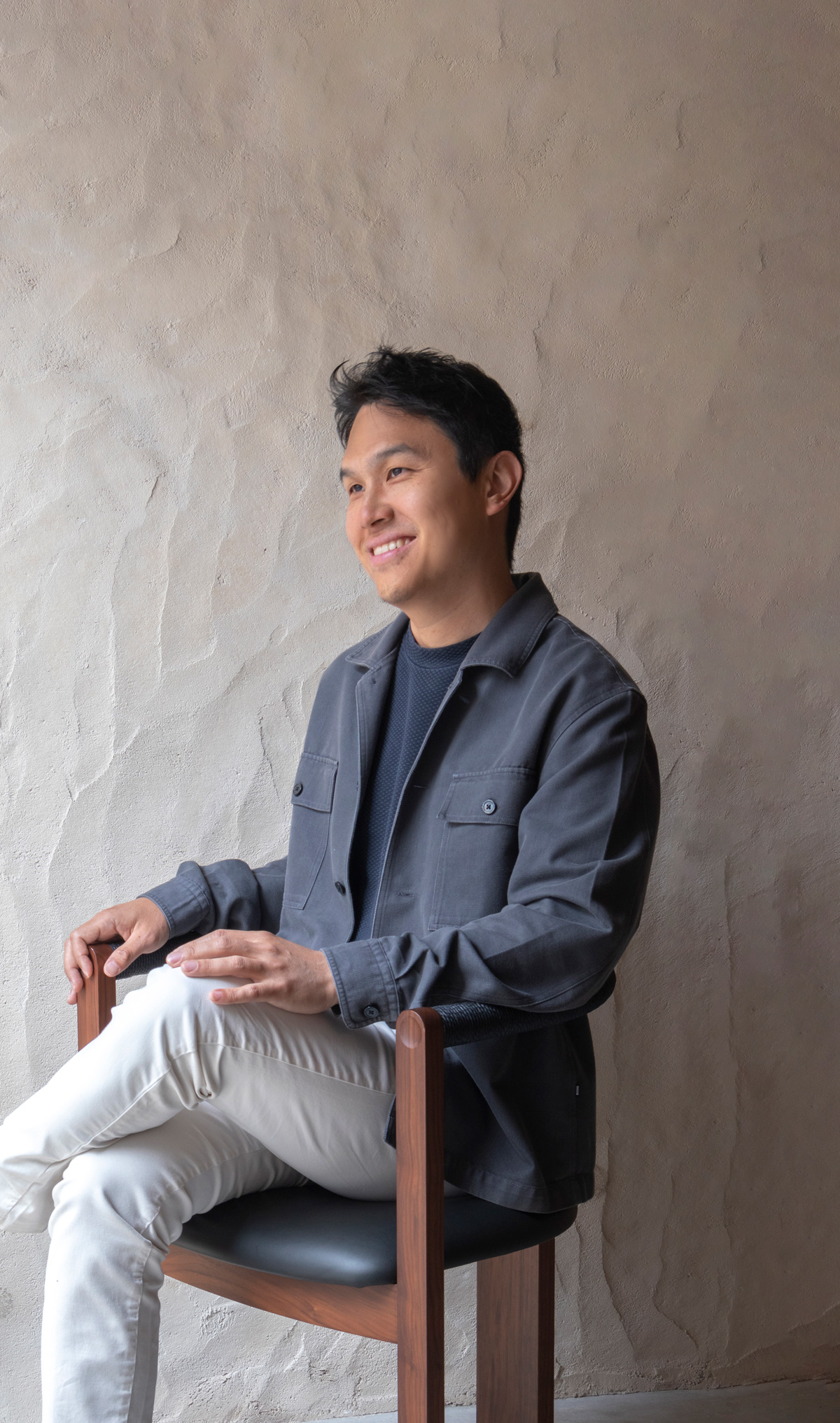
Gabriel Tan is a singular voice in the international design landscape. Founder of Origin Made, a brand born from his close collaboration with Portuguese artisans, he places craftsmanship at the center of creation and embraces craft as a bridge between cultures. From collaborations with global brands to projects that connect ancestral techniques with the demands of contemporary life, the designer advocates for an ethic rooted in culture, collaboration, and reflection. In conversation, he shares insights about his awakening to Design during his service in the Singapore Navy, his experiences with local artisans, and his ambition to create timeless pieces that unite the gesture of the maker with the intimate experience of those who welcome them into their lives.
Design em Lisboa: What first drew you to design?
Gabriel Tan: It happened in the most unlikely place, when I was 19 and training to be a naval combat officer in the Singapore Navy. While my fellow midshipmen were on the phone with their loved ones at night, I was reading design books that I had chanced upon from the public library. Charles and Ray Eames, Alvar Aalto and Sori Yanagi were some of the designers I read about that opened up a new world to me.
I had been obsessed with art as a child, but later chose to focus on sports when I was in high school. Reading those design books brought back that creative hunger I had forgotten. I decided that this was what I wanted to do with my life, and eventually left the Navy to enrol in design school.
DL: How does your Singaporean background influence your work?
GT: Being Singaporean means that, in a way, I do not carry the weight of centuries-old design traditions. That can be liberating, as there is no expectation of what designers from Singapore should create. We can explore any design territory without being overly bound by heritage.
Singapore is also very much fundamentally about cultural intersection. I grew up surrounded by Chinese, Malay, Indian, and Western influences mixing naturally. That taught me to see collaboration between cultures as normal, not exotic. When I work with Japanese craftspeople for Ariake or Portuguese artisan-makers for Origin Made, I feel at ease and comfortable to act as a bridge between different worlds.
Valuing the hand of the artisan means recognising them as co-creators, not merely manufacturers of your designs and ideas. It also means accepting that handcraft includes imperfection, and that there is value in the beauty of imperfection.
DL: Why did you feel the need to create Origin Made and what makes it different?
GT: So many brands are producing their products in another country but telling their story with their own cultural identity. While I understand the need for outsourcing, the disconnect between where things are made and how they are marketed bothered me because there was a lack of transparency in our industry.
Origin Made puts the artisan-maker upfront. We present honest stories about where products come from and give proper credit to the people who make them. When we work with João Lourenço on “Barro Preto” ceramics, his name and story are as important as the design.
What makes Origin Made different is the commitment to elevate craft. I live within an hour’s drive from most of the craftspeople we collaborate with. I can share a meal with them, understand their family histories, and learn about their techniques. That intimacy creates objects that respect tradition while giving them contemporary forms through design, to meet modern living needs.
DL: Craft is central to your work. What does it mean to truly value the hand of the artisan?
GT: Valuing the hand of the artisan means recognising them as co-creators, not merely manufacturers of your designs and ideas. It also means accepting that handcraft includes imperfection, and that there is value in the beauty of imperfection. Machine production aims for identical repetition, whereas handcrafting creates subtle variations that carry the maker’s personality. This approach is central to craft and to Origin Made.
Value also means fair compensation; we do not “squeeze” our artisans; instead, we see them as a valued partner. We are building long-term relationships with our craftspeople, who can hopefully plan their futures around our collaborations, and attract a new generation to take up craft traditions that may otherwise die out.
DL: What makes a well-crafted object?
GT: A well-crafted object is a result of the meeting of design, craftsmanship, and material. A well-crafted object just works well in its simplicity. You can sense the human decisions in the form and how it looks, and also see how a joint was resolved, why a curve ends where it does, and how the surface was finished. Materially, well-crafted objects improve with age; patina develops character and adds to the piece.
DL: In your creative process, how do you navigate between heritage and innovation?
GT: I start by understanding the heritage technique: how it works, why it evolved that way, what problems it was designed to solve, and what cultural values it embodies.
That foundation and understanding ensure our intervention will not distort what made the technique valuable originally.
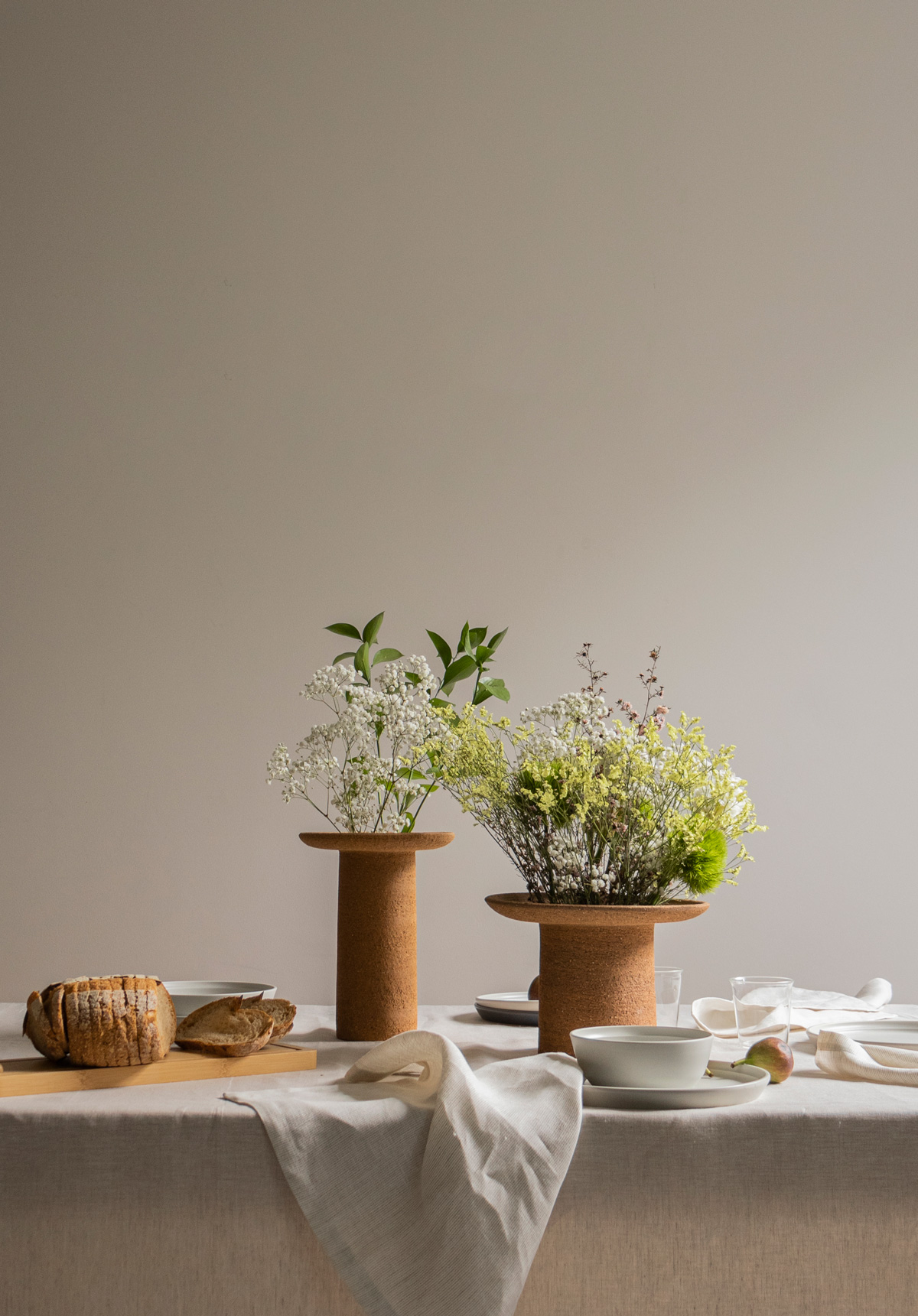
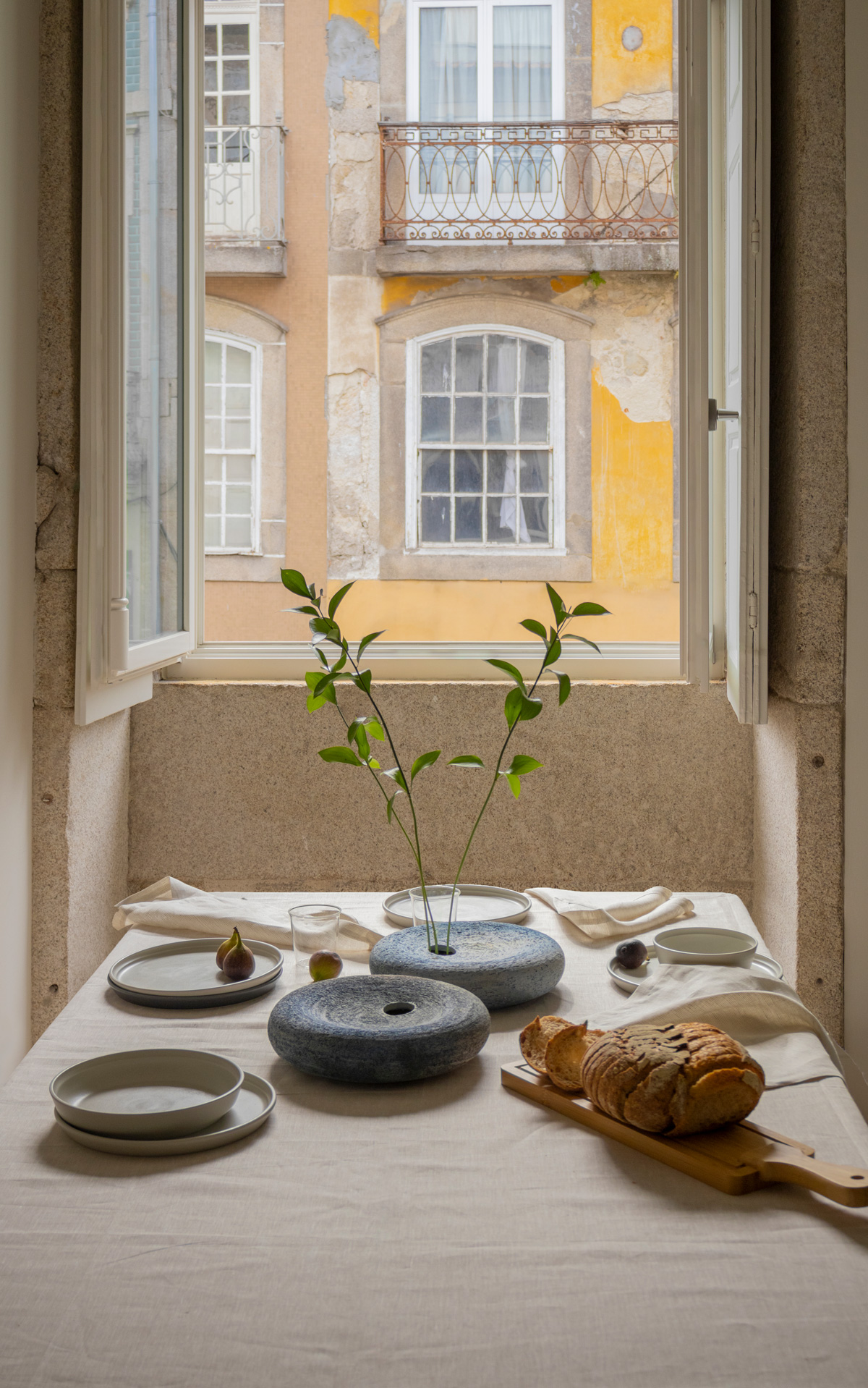
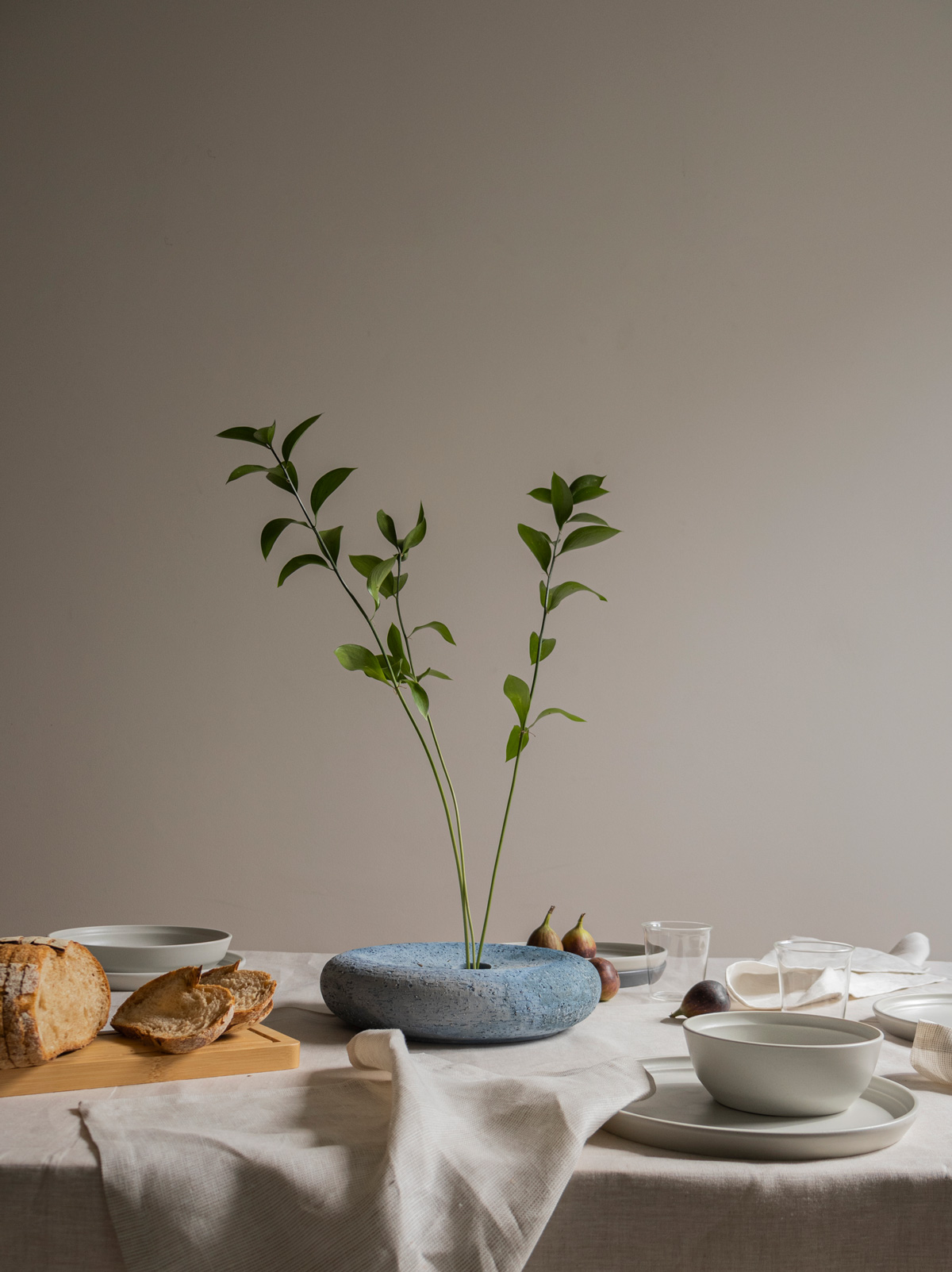
Then I look for contemporary needs that the technique could address differently. “Barro Preto” ceramics are traditionally made as storage vessels and cookware. But the beauty of the non-uniform black-grey finish can lend itself to more modern forms and other applications, so I designed the Charred Vases as beautiful contemporary vases that bring a sculptural aesthetic to modern living interiors while facilitating unusual flower arrangements. The key for me is finding innovation that honours the essence of the traditional way of making while expanding possibilities.
DL: You work with different artisans. What do you look for in these collaborations?
GT: Curiosity, first. I look for artisan-makers who are interested in pushing their own boundaries, not just repeating learnt patterns. I am also looking for people who understand their materials so deeply that they can predict how changes will affect the process and the results. That knowledge enables meaningful innovation. Most importantly, I look for openness to dialogue. The best collaborations come from conversations where both sides learn something new.
DL: What have traditional techniques taught you that contemporary design often forgets?
GT: Patience. Traditional techniques evolved over centuries because craftspeople had time to experiment, fail, and refine. Contemporary design production often rushes to market without that deep exploration.
DL: How does being based in Portugal shape your vision?
GT: Portugal has this incredible concentration of traditional crafts within a small geographic area. Within 150km of Porto, I can access pottery, cork production, textile weaving, furniture-making, stone masonry, etc., all with long histories and sometimes even UNESCO-level heritage significance.
The pace in Portugal also allows for deeper relationships. In Singapore, everything moves so quickly, and people often do not have much time to spare for one another. In Portugal, I can spend entire afternoons with craftspeople, really understanding their processes. That time creates trust and enables more adventurous collaborations.
DL: In a global design world, why is origin still so relevant?
GT: Understanding the “origin” of a piece gives it meaning beyond its function. For example, when someone owns an Origin Made Charred Vase, they are connected to centuries of Portuguese Barro Preto tradition, to specific landscapes and materials, and to particular human knowledge. Knowing the name of the person who made the object you own is also significant, as we believe it forges a deeper relationship between human and object.
The efficiency and mass production of objects can feel alienating, and we end up not knowing and eventually not caring where and how the objects we own are made. As humans, we need connection to place and process, and understanding the “origin” of an object provides us with that grounding in a fast-paced modern world, making us more thoughtful consumers.
DL: What do you hope people feel when they invest in an Origin Made piece?
GT: I hope people feel a sense of connection to the piece they are bringing home, not just how the look of the object spoke to them initially, but that link to the hands that made it, the place it comes from, the traditions it represents.
I hope they feel a sense of calm and contemplation. Origin Made objects are made in small batches by the seasoned hands of skilled artisans. These pieces are made slowly and thoughtfully. I hope that when people look upon an Origin Made piece in their homes, they take a moment to pause and appreciate the materiality and the beauty in those pieces.
We have an in-house editorial team that goes to interview our craftsmen and the shares the stories behind each piece and each artisan, which can be found on our website, and are also included in our printed journals and e-newsletters. We hope our customers will have an interest in reading these intellectual content before or after owning a piece from Origin Made and appreciate their pieces even more.
DL: Outside design, where do you find the sparks that feed your creativity?
GT: Travelling and experiencing new things recharges me. I enjoy walking through new cities and just observing people and spaces, and thinking about how different people and cultures solve similar problems differently. I also love sports and enjoy learning about elite athletes: how they train and the mindset they develop to become the best at what they do.
DL: If you had to describe your design ethos in three words, which would they be?
GT: Culture, Collaboration, Reflection.
Cultural understanding informs my design, which results in genuine collaboration with local craft communities that celebrate traditional ways of making.
Collaboration results in the best ideas and designs, as these emerge from understanding multiple perspectives.
And, I believe that good design results in objects and spaces that create moments of reflection and contemplation in our busy lives, and this enables us to slow down, recharge, and feel better.
I hope to show that the craftsperson’s knowledge is as valuable as the designer’s vision. If we can demonstrate that this collaborative approach produces both better objects and more sustainable communities, that would be a legacy worth leaving behind.
DL: Can you tell us more about your collaboration with QuartoSala?
GT: QuartoSala is a design curator and a tastemaker. When I first came to Portugal, I heard about them and I went to visit their store in Principe Real, and was very impressed with their collections. Some of our product designs for B&B Italia and Audo Copenhagen were already selling at QuartoSala, and so I reached out to Pedro and Clemente to introduce myself. They understand design, craftsmanship, and heritage and want to present brands with these qualities authentically to their audience.
Eventually, they saw our work for Origin Made at Lisbon by Design, and then the conversation naturally evolved about working together. It is a pleasure to work with the QuartoSala team, and we believe this partnership will help us reach more people in Lisbon and Portugal who appreciate design and the contemporary applications of traditional crafts.
DL: What future do you dream for Origin Made?
GT: I would like Origin Made to expand our network of collaborating craftspeople across Europe and eventually in other craft-rich regions around the world. Craft culture (to me) should not be seen as territorial, but an important part of mankind and our evolution as a species. Through Origin Made, we aim to get traditional crafts into the homes of more people.
I want to continue working with craftspeople around the world to bring modern forms to centuries-old ways of making that can meet the demands of today’s interiors. If Origin
Made can prove this model works commercially, this will hopefully attract a new generation to take up traditional crafts and allow these practices to flourish.
Long-term, I aim to expand this approach to as many other countries as possible, always with the same principle of deep collaboration rather than cultural extraction.
DL: If Origin Made were to leave a single legacy in design, what would you like it to be?
GT: That designer and craftsperson can be equal partners in creating something neither could achieve alone. Too often, design treats craft as a means to execute concepts and ideas. I hope to show that the craftsperson’s knowledge is as valuable as the designer’s vision. If we can demonstrate that this collaborative approach produces both better objects and more sustainable communities, that would be a legacy worth leaving behind.
Gabriel Tan
Gabriel Tan is a Singaporean designer based in Portugal, known for his sensitive and collaborative approach to contemporary design. Founder of Gabriel Tan Studio and Origin Made, the designer has developed an aesthetic language where tradition and innovation coexist in perfect harmony. His work stands out for its appreciation of craftsmanship and cross-cultural dialogue, reflecting a cosmopolitan vision that connects design, craft, and sustainability. Throughout his career, Gabriel Tan has collaborated with international brands such as B&B Italia, Audo Copenhagen, and Ariake, and his work has been featured in leading design publications. In Portugal, through Origin Made, the creative builds bridges with local craft heritage, creating timeless pieces that celebrate material, hands, and the stories that shape them.